Suicide Cleanup: Safety
Hazard-assessment articles for suicide cleanup, including when bloodborne, chemical, respiratory, sharps, structural, or waste controls may apply. PPE and containment must follow the actual exposure—not a universal checklist.
Safety posts explain why a room affected by a suicide loss should be treated as a possible biohazard until trained workers have dealt with it. They explain why family members, children, and pets should stay away from the area. They cover what protective gear crews use. They also show how sealing off the area keeps the mess from spreading into hallways or other rooms. The articles also talk about the emotional side of safety. Going into the space can be deeply upsetting, even when there is no physical risk. The tone stays calm and practical. The content never includes details about how the death happened or what the scene looked like.
Get an email reply about suicide cleanup
Send a short message to the follow-up inbox. A coordinator can reply by email. This form does not send emergency help; call 911 first if anyone is in danger.
Many relatives feel a strong urge to clean up themselves, out of love or a wish to protect others from the sight. These posts explain gently why that choice can carry both physical exposure risks and lasting emotional effects. They offer safer alternatives, such as closing the door, turning off forced-air systems that serve the room, and letting a trusted friend handle phone calls. If anyone in your household is struggling, you can call or text 988 to reach the Suicide and Crisis Lifeline at any time. Protecting your well-being is part of staying safe during this process.
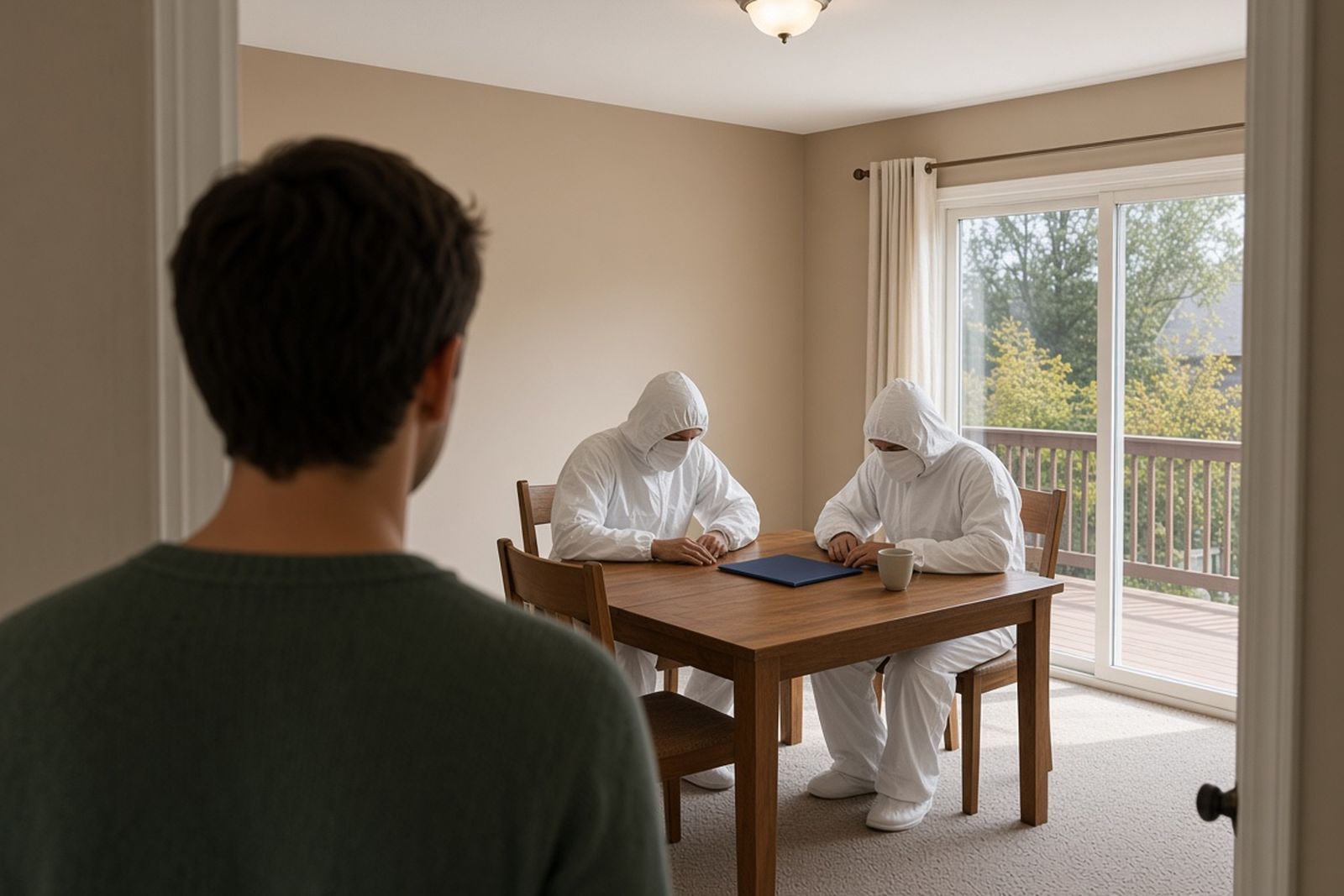
DIY vs Professional Suicide Cleanup: The Critical Differences
A compassionate look at cleaning after a suicide yourself versus hiring trained help: health risks, hidden damage, keepsakes, records and your own wellbeing.
You may feel a strong pull to clean after a suicide loss yourself, and that impulse comes from love. The critical differences are safety, thoroughness and emotional protection. Professionals treat body fluids as infectious, find what soaked beneath the surface, disinfect correctly, handle waste properly and document the work, while sparing you close contact with the place your loved one died. There are gentler ways you can help.
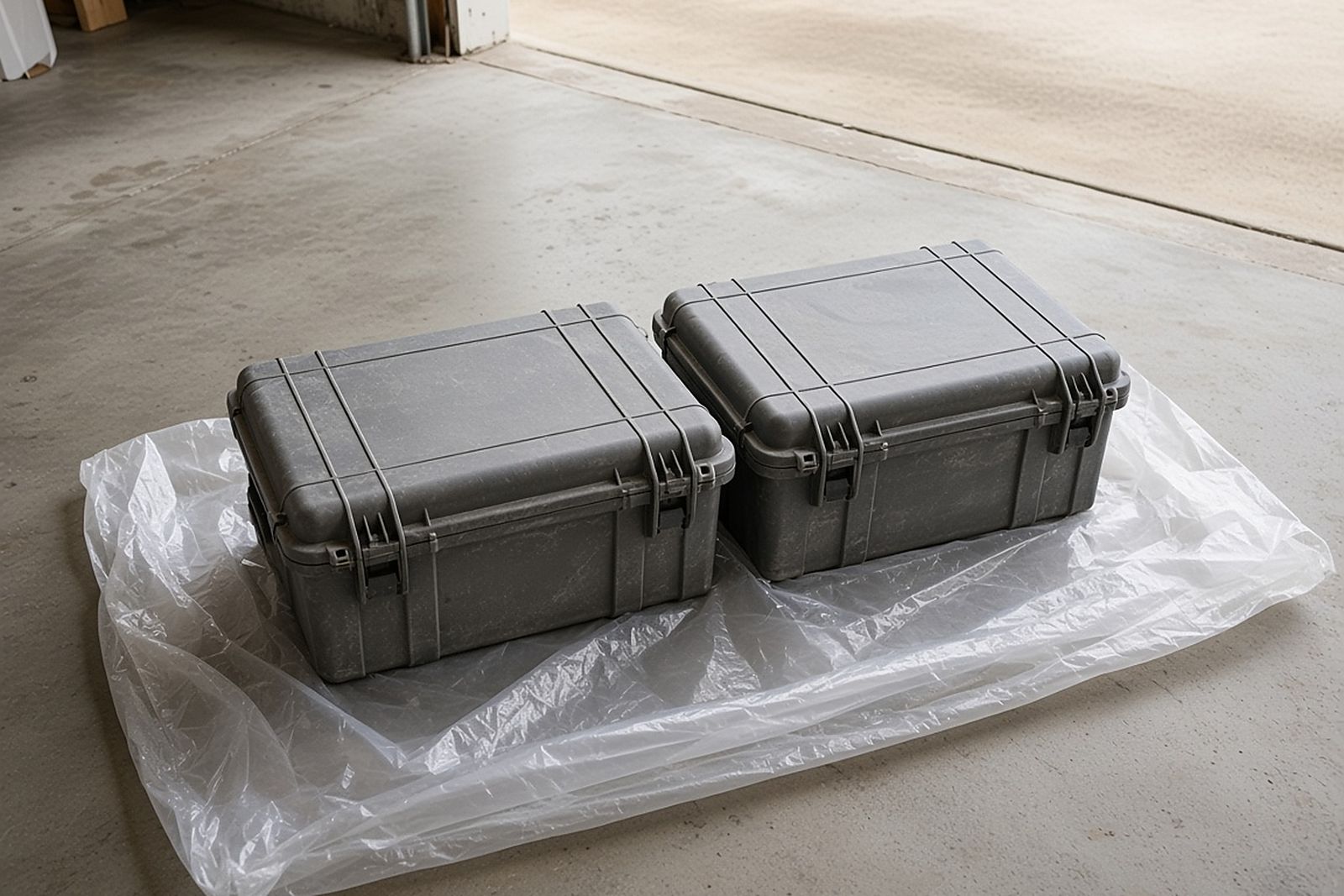
10 Suicide Cleanup Safety Risks to Assess Before Work Begins
Ten safety risks to consider before suicide cleanup starts at home, explained gently: health hazards, hidden damage, sensitive items, privacy and grief.
Before suicide cleanup begins, a caring provider should assess ten risks: bloodborne pathogens, fluid hidden beneath surfaces, changes if time passed before discovery, sharp or broken items, cleaning chemicals, air quality, physical strain in small spaces, sensitive items in the home, privacy and accidental exposure of family members, and the emotional toll of grief. Each should be discussed kindly and addressed in a written plan.
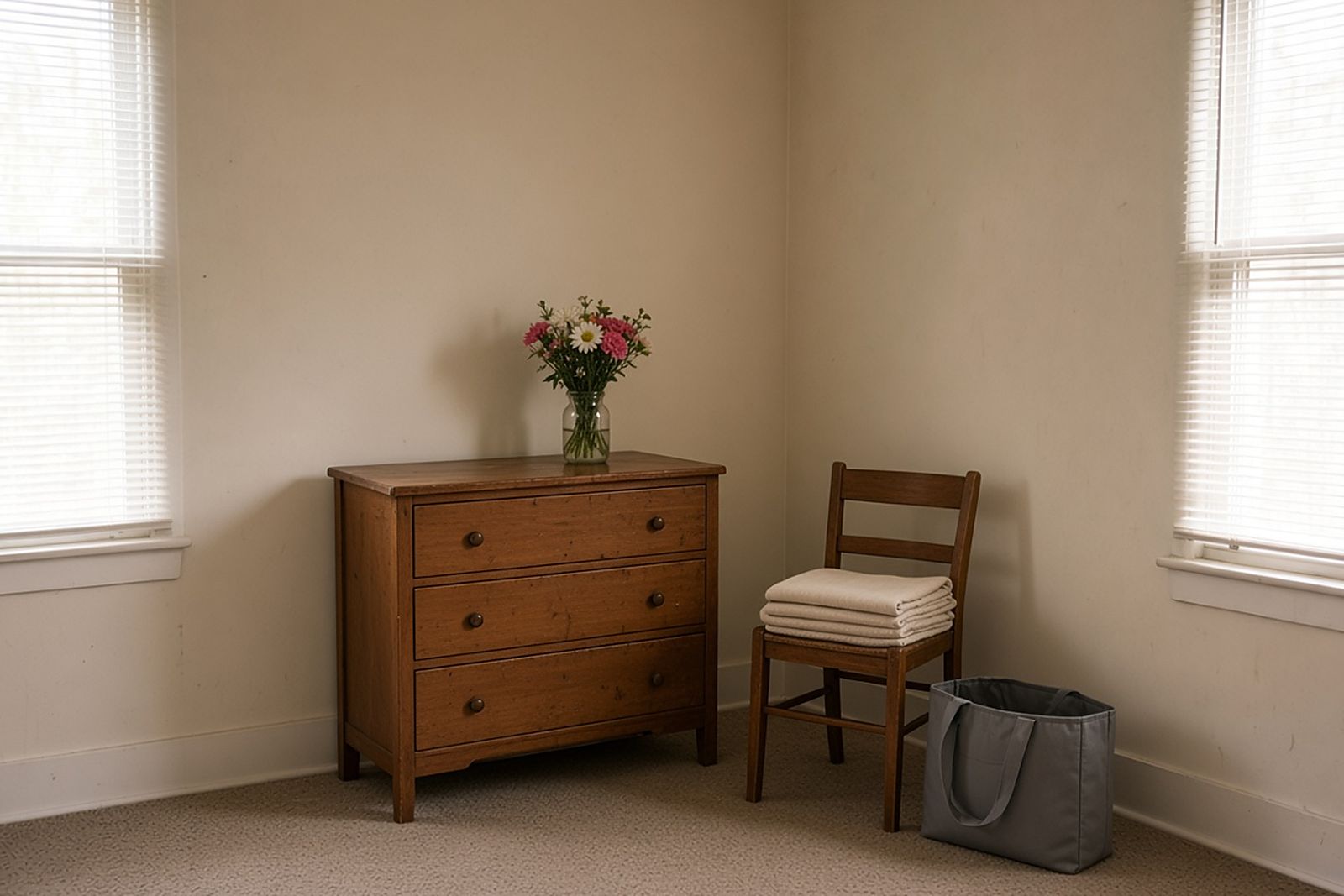
PPE Planning for Suicide Cleanup: Start With the Hazard Assessment
How a suicide cleanup crew chooses protective gear after a gentle hazard assessment, and how that planning protects your home, your family and your privacy.
Protective equipment for suicide cleanup is chosen after a quiet hazard assessment of the affected room. The crew lead considers what surfaces are involved, whether fluid has soaked into materials, how small and ventilated the space is, whether anything is broken and which cleaning products will be used. Those findings guide gloves, suits, eye protection, footwear and respirators, and where the crew changes discreetly.
Sourced figures on safety
- 48,824
Suicide was responsible for 48,824 deaths in the United States in 2024.
Read with care: Final 2024 mortality data; some deaths of undetermined intent are excluded.
Source: CDC (2024)United States, 2024, death certificates
- 616,000
U.S. emergency departments recorded about 616,000 visits for self-harm injuries in 2022.
Read with care: Survey-based estimate; excludes people who did not seek care.
Source: CDC National Center for Health Statistics (2022)United States, 2022, emergency department visits
- 71.5%
In 2022, 71.5% of suicides recorded by NVDRS occurred in a house or apartment.
Read with care: NVDRS links death certificates, coroner/medical examiner and police reports; 2022 is the first year with all 50 states, and location is recorded for the injury site, not always the residence of the decedent.
Source: CDC (2022)United States, 50 states, DC and Puerto Rico, 2022
These figures are public research and agency data, not this network's own job records. Keep each number with its population, year and limits; none of them predicts cost, timing or outcome at a specific property.
What research has found
Findings from published studies of people and properties in situations like this one. They describe what researchers observed in a specific group; they are not predictions for your case.
Community gossip made some participants feel scrutinised rather than supported.
Some wanted private time to touch the body.
Safety: common questions
Is it safe to enter the room to retrieve important documents?
It is best to wait if you can. If a document is truly urgent, ask the provider or a trusted person to retrieve it once basic precautions are in place. Avoid touching any stained surfaces, and wash your hands thoroughly afterward. A provider can often locate and set aside important papers early in the job.
Could the furnace or air conditioning carry odor from the room into the rest of the house?
It can if a forced-air system serves the room where the death occurred. Switching the system off, or closing that room's vents until the provider assesses the space, may help limit the spread of odor and airborne particles. Ask whether filters or ductwork will be checked as part of the job, and leave any duct cleaning to the professionals.
What should I do if I already started cleaning before calling for help?
Stop, wash your hands and any exposed skin with soap and water, and place any clothing you wore in a sealed bag. If you had skin contact with fluids through a cut or touched your eyes or mouth, contact a medical provider promptly for advice. Then let the professional crew take over from there.
Is it safe to sleep in another room of the house before cleanup is done?
If the affected room is closed and no one enters it, other rooms are generally safe to use. The bigger question is often emotional rather than physical. Many people find it hard to sleep in the home right away, and staying with friends or family for a few nights is completely reasonable. Do whatever helps you rest and feel supported.
What should we do about pets that may have entered the room before it was closed?
Keep pets out of the room from now on. Wipe their paws with a damp cloth and wash their bedding if it may have been exposed, then wash your hands well. If a pet seems unwell or you are worried, call your veterinarian and explain what happened in general terms. Let the cleanup provider know so they can check any paths the pet may have taken.
Can we open windows in the affected room to air it out?
It is usually best to leave the room closed and let the crew manage ventilation. Opening windows may seem helpful, but it requires entering the room and can move odor or particles toward other areas. If odor is spreading through the home, keep the door shut and consider placing a towel along its base. The crew will set up ventilation or air filtration when they arrive.
What should we do if we notice odor in another part of the house?
Let the provider know right away. Odor can travel through vents, gaps under doors, or shared walls, and sometimes signals that fluid reached beyond the obvious area. The crew can check those spaces and add them to the plan if needed. In the meantime, keep the affected room closed and ventilate the rest of the home gently by opening windows in unaffected rooms.
Related community polls
Every count is a real visitor vote; nothing is seeded or padded. One vote per poll per device, and you can change your answer.
If you were coordinating cleanup after a suicide loss, who would you want to make the first call to a provider?
How important is it to you that a cleanup crew arrives in unmarked vehicles and plain clothing?
More on suicide cleanup
Suicide Cleanup services
Learn what cleanup after a suicide loss involves. See how scene release, approval, disinfecting, belongings, and records all work to protect your family.
Costs explained
What drives the price, published cost ranges, and how to read a written quote line by line.
Insurance and payment
Which policies may respond, how to document a claim, and what to do if coverage is denied.
Planning tools
Six short, private tools help you plan the first day, check risk, vet a provider, estimate cost, sort out a claim, and understand waste.
Community polls
See how other families handled privacy, insurance, staying home, and picking a provider after a suicide loss. Add your own view without giving your name.
Knowledge quiz
Check what you know about hazards, who can approve work, sealing off the room, disinfecting, waste, and records. This gentle quiz is for families and helpers.
Field guides
Step-by-step guides walk you through approval, privacy requests, insurance questions, and when to go back in after a suicide in a home or rental.