Short answer
Before suicide cleanup begins, a caring provider should assess ten risks: bloodborne pathogens, fluid hidden beneath surfaces, changes if time passed before discovery, sharp or broken items, cleaning chemicals, air quality, physical strain in small spaces, sensitive items in the home, privacy and accidental exposure of family members, and the emotional toll of grief. Each should be discussed kindly and addressed in a written plan.
Why talk about safety risks now
After a suicide loss, safety may be the last thing on your mind. Yet thinking briefly about risks can protect you and the people you love from harm that is easy to prevent. It also helps you recognize a provider who will treat your home, and your family, with care.
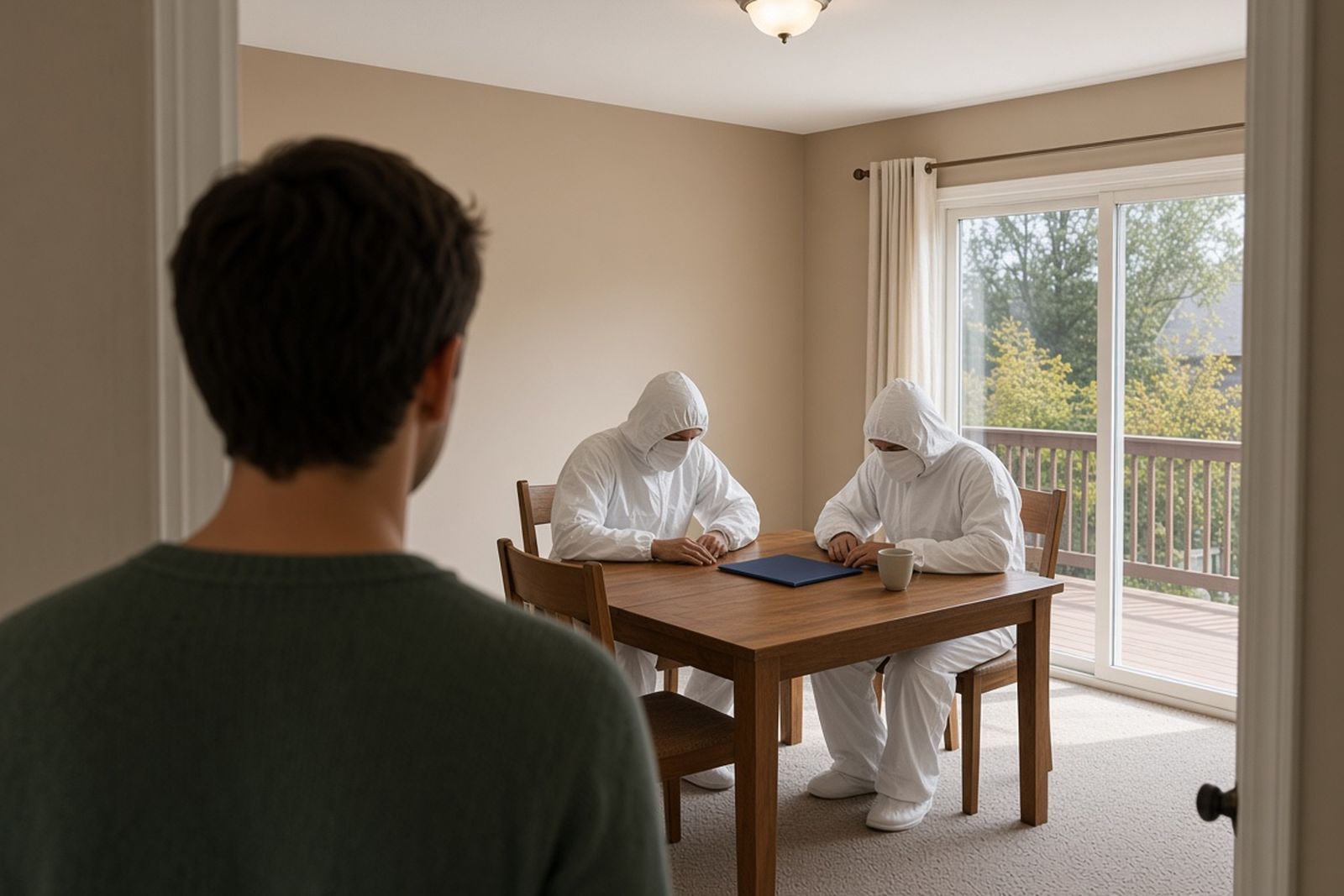
A good provider assesses these risks during a quiet walkthrough, usually without you in the room. They should explain what they found in plain, gentle language and never ask for graphic details. If it is easier, a relative or friend can hear the explanation for you.
The ten risks below are not ranked, because each home is different. Some will not apply to yours at all.
Risks 1 to 3: pathogens, hidden fluid and time
Risk 1 is bloodborne pathogens. Blood and some body fluids can carry hepatitis B, hepatitis C and HIV. This says nothing about your loved one. It simply reflects that no one can tell from a stain whether a pathogen is present, so trained crews treat all such material as potentially infectious and wear protective equipment.
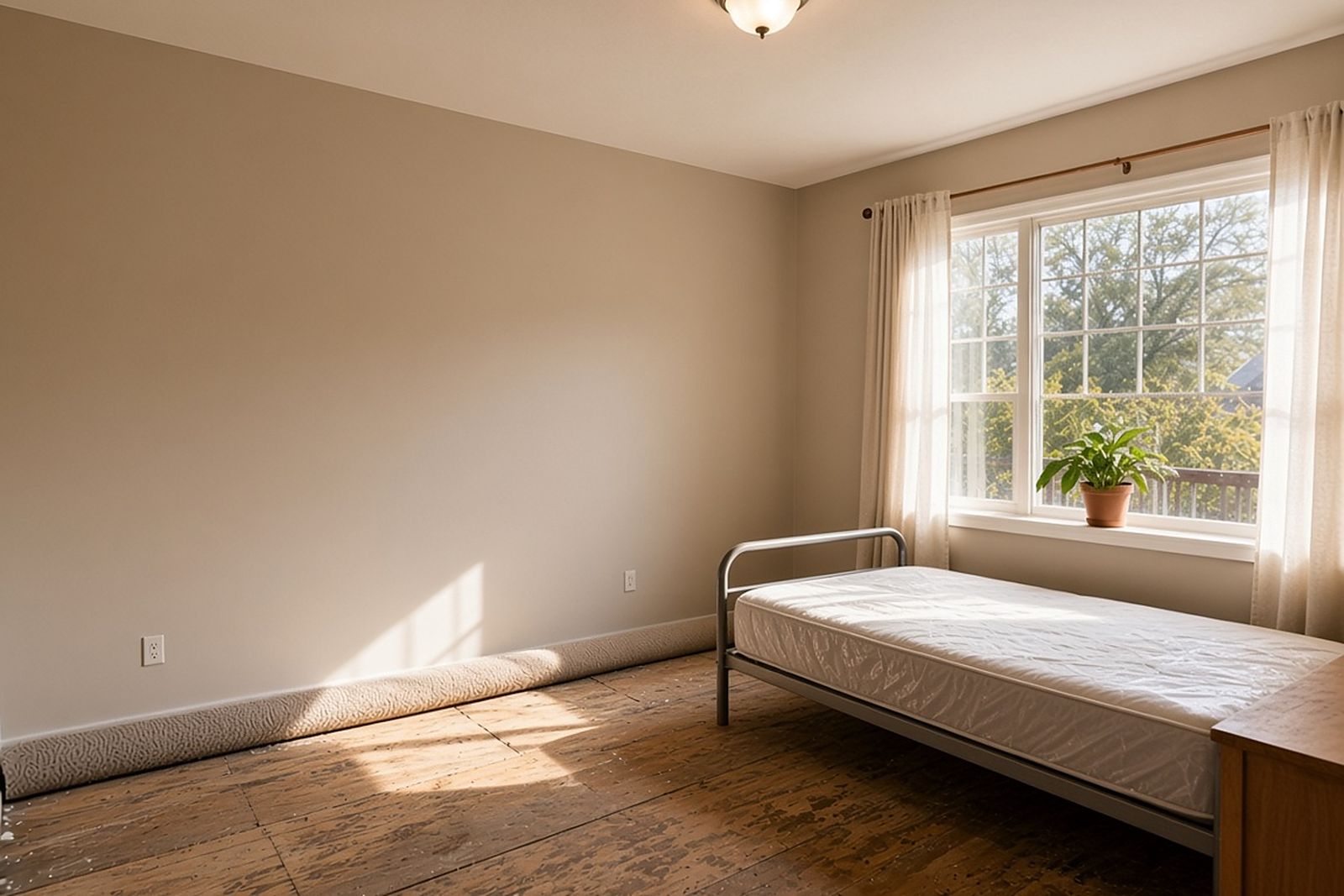
Risk 2 is fluid hidden beneath surfaces. Carpet pad, subfloor, mattress layers, grout and the space behind baseboards can absorb fluid that is not visible from above. If it is not found and removed, odor and staining can return later, and anyone who handles those materials without protection may be exposed.
Risk 3 is change over time. If some time passed before your loved one was found, natural decomposition may have added odor, bacteria and wider spread. A gentle provider will explain how this affects the plan without making you feel responsible for circumstances you could not control.
If you have already touched the area
If you or someone else has already touched the area, wash exposed skin with soap and water and set aside any cloths or tools in a sealed bag for the crew. If there was a cut or a splash near the eyes or mouth, call a doctor or urgent care clinic for advice. Please do not blame yourself. Many families act before anyone has told them about these risks.
Risks 4 to 7: physical and chemical hazards
Risk 4 is sharp or broken items. Broken glass, damaged fixtures and exposed carpet tack strips can cut through ordinary gloves. Crews use cut-resistant gloves, tools to pick up fragments and puncture-resistant containers.
Risk 5 is cleaning chemicals. In bathrooms, bedrooms and other small rooms, vapors from strong products can build up quickly. Mixing bleach with ammonia or acidic cleaners creates harmful gases. Professionals use EPA-registered disinfectants according to the label, keep products separate and ventilate carefully.
Risk 6 is air quality. Removing carpet or drywall releases dust, and lingering odor can cause headaches or nausea in closed rooms. Crews decide whether respirators are needed, cover nearby vents so particles and odor do not travel through the home and may run HEPA air filtration.
Risk 7 is physical strain in tight spaces. Bathrooms, closets and garages leave little room to move, and saturated mattresses or furniture are heavy. Protective suits also trap heat. Careful crews plan how to remove large items safely and take breaks to prevent heat illness.
- Cut-resistant gloves and rigid containers for broken items
- Labeled disinfectants, never mixed
- Vent covers and air filtration when dust or odor is present
- Planned lifting and rest breaks in small spaces
Risk 8: sensitive items in the home
Risk 8 is sensitive items left in the home. After a suicide, families sometimes worry about medications or other items that could put another person at risk, especially if someone else in the household is struggling. You can ask the police, your pharmacist or the provider how to secure or dispose of anything that concerns you. Removing access to harmful items is a caring step for everyone who lives there.
Personal items deserve care of a different kind. A crew may find a phone, journal, photographs or a note. A respectful provider sets personal belongings aside, cleans what can be cleaned and asks before discarding anything. If a note is found, it should be given to the family or authorities unread.
Ask the provider to tell you in advance how they will handle these situations, so there are no surprises.
Risk 9: privacy and family exposure
Risk 9 is accidental exposure of family members and loss of privacy. Children, relatives or roommates may walk into the room before it is ready, or see materials being carried out. That moment can stay with them. Neighbors may notice activity and ask questions.
A thoughtful plan keeps the door closed and clearly marked until work is finished, schedules the work when vulnerable family members are elsewhere, and covers large items before they leave the room. Many providers use unmarked vehicles and put on protective gear inside. If you live in an apartment, they can coordinate building access with the manager so you do not have to explain.
Pets need a plan too. Keep them away from the room until verification is complete.
Visitors can create exposure too. In the days after a loss, friends and relatives often come to the home to offer comfort. A simple sign on the closed door, or a word from a family member at the entrance, can keep a well-meaning guest from opening the wrong room.
Risk 10: why grief belongs on a safety list
Risk 10 is the emotional toll of loss. Suicide bereavement can be intense and long-lasting, and it can affect safety. A 2012 review by Young and colleagues in Dialogues in Clinical Neuroscience reported that suicide-bereaved people with complicated grief were almost 10 times more likely to report suicidal ideation one month after the death, independent of depression.
This is one of the most important reasons families are encouraged not to clean the room themselves, and to reach out for support early. If you or someone close to you is struggling or having thoughts of suicide, call or text 988 to reach the 988 Suicide and Crisis Lifeline at any hour.
Grief counselors, suicide loss survivor groups, faith leaders and trusted friends can help too. Checking in with one another in the weeks after a loss is a real form of protection.
What a gentle risk assessment covers
A good assessment is quiet and practical. The supervisor usually visits while the people closest to the loss are elsewhere, and a relative or family friend can act as the contact.
During the walkthrough, the supervisor notes which materials are affected, such as bedroom carpet or a mattress, whether fluid may have reached the pad and whether anything, such as a mirror, was broken. If prescription medications are in the room, they ask the family's contact how the family wants them handled. They also note shared hallways and which rooms sit next to the affected one.
The written plan then answers each finding: containment at the door, cut-resistant gloves for broken glass, removal of affected soft materials, a check of the subfloor, careful ventilation and wrapping large items before carrying them through shared spaces at a quiet hour. Medications can go to a pharmacy disposal site, and personal items, including any journal, are set aside for the family.
A caring supervisor also leaves information about 988 and local grief support with the family's contact, to share when the time is right.
What should you ask a provider about safety?
Ask which of these risks apply to your home and how they will handle each. Ask what protective equipment the crew wears, how they keep the rest of the home clean and how they handle personal items and anything sensitive they find.
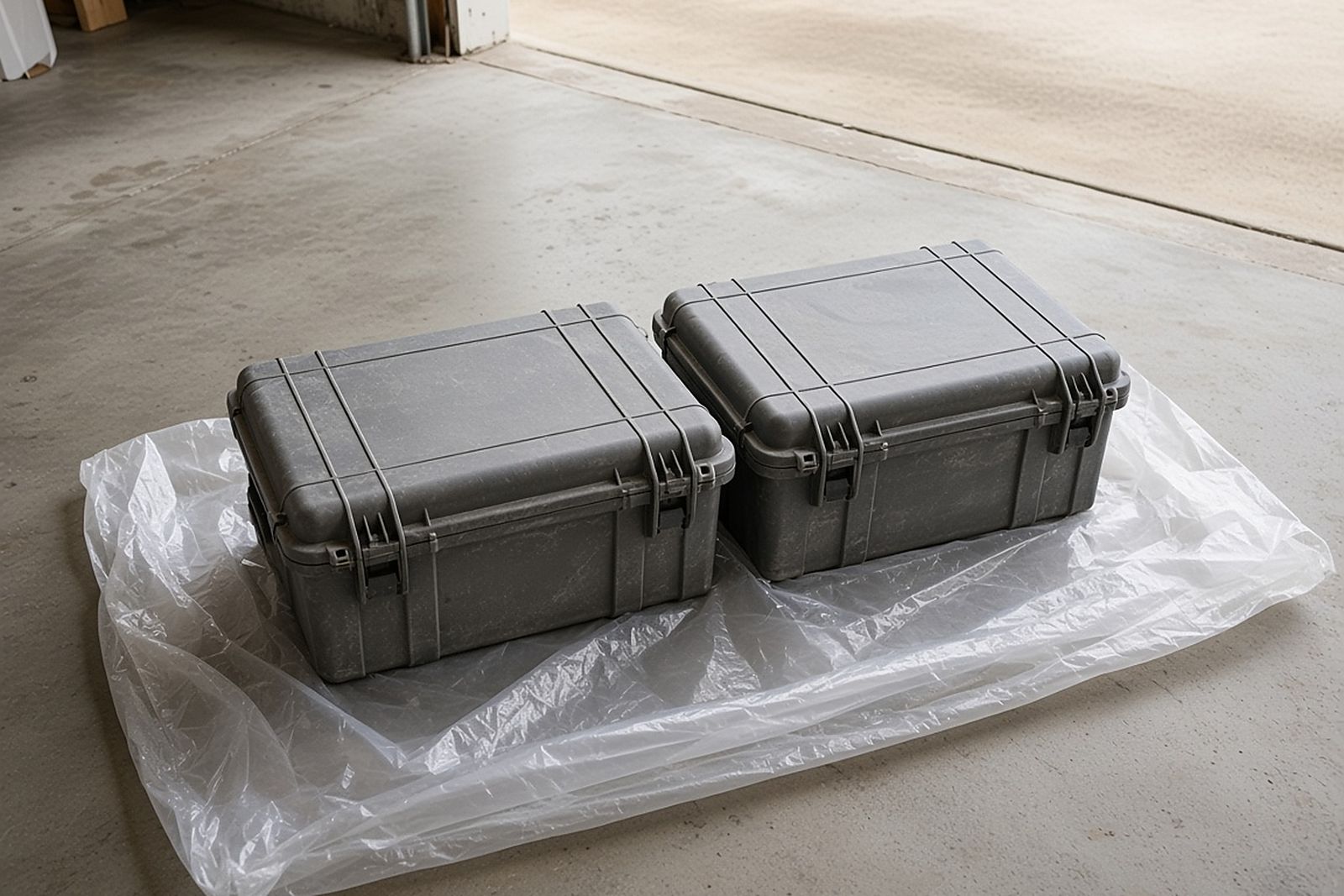
Ask how waste will be packaged and transported, and whether you will receive photos, an inventory and disposal records. Requirements differ across the country.
A caring provider will answer patiently, respect your wishes about privacy and communication and never rush you.
It is also reasonable to ask whether the crew has experience with suicide loss specifically, and how they speak with grieving families. The right team will understand that tone and patience are part of safety.
How can you keep everyone safe until the work is done?
Keep the door to the affected room closed and let others in the household know the room is off limits for now. Keep pets away. Do not try to clean anything yourself. If there are items in the home that worry you, ask for help securing or removing them.
Most of all, look after yourself and one another. Eat, rest when you can and accept help from people who offer it. Healing after suicide loss takes time, and you deserve support at every step.