Short answer
Several layers of rules apply after a suicide. Police and the medical examiner or coroner decide when the home is released. OSHA or a state plan protects the cleanup crew, and federal transport rules govern how waste is moved. States oversee most medical waste disposal and may register cleanup businesses. Local health, building and housing offices can add requirements. A good provider will explain what applies at your address.
You do not need to master the regulations
After losing someone to suicide, you should not have to study laws or agency websites. That is the job of the provider you choose. Still, a little background can help you feel more confident when you speak with companies, and it can help a relative or friend who is making calls for you.
The main idea is simple. No single agency governs every part of a suicide cleanup. Instead, different offices oversee different pieces, such as the safety of the workers, how contaminated materials travel on the road and where they end up.
This article walks through those layers gently. You can read it in parts, share it with someone helping you or set it aside until you are ready.
If a friend or relative is helping you, you might simply forward this page to them. They can use the questions near the end when speaking with providers, and you can stay focused on rest and on the people around you.
Who decides when the room can be cleaned?
After a suicide, police and the medical examiner or coroner usually respond. They document what happened, care for your loved one and determine the cause and manner of death. Until they have finished and released the home, cleanup should not begin.
How long this takes varies. Often it is brief, but it can take longer in some circumstances. If you are unsure whether the home has been released, you can ask the officer or investigator who responded. A caring cleanup provider will confirm release before entering.
Investigators may take certain items with them. If something is missing when the room is cleaned, ask the investigating agency before assuming it was discarded. If a note was found, investigators may keep it for a time, and you can ask them when and how it will be returned to the family.
Federal rules that protect the cleanup crew
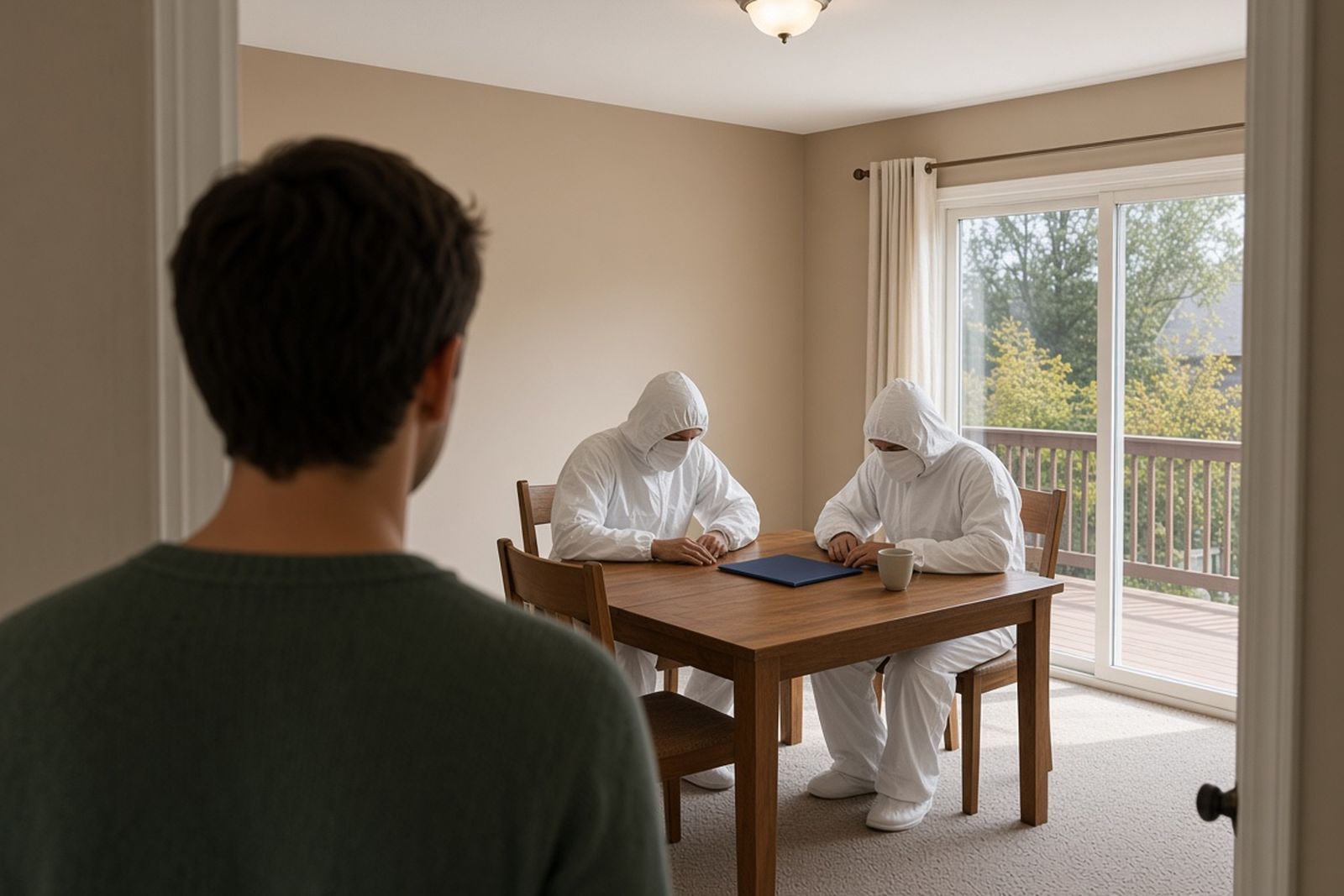
Federal workplace rules come from OSHA. Its Bloodborne Pathogens Standard requires cleanup companies to train workers, provide protective equipment, offer hepatitis B vaccination and follow a written plan for handling blood and other potentially infectious materials. Other OSHA standards cover respirators and cleaning chemicals.
Some states enforce these protections themselves. According to OSHA's 2024 State Plans page, there are 29 approved plans, 22 covering private and public workers and 7 covering only state and local government employees. In states with a plan for private employers, a state agency oversees cleanup crews, using rules at least as protective as the federal ones.
These rules apply to the company, never to you. They are part of why professional crews arrive prepared and why families are encouraged not to clean the space themselves.
Worker protections also cover the chemicals crews bring into your home. Technicians must understand the hazards of each product, and a considerate crew will tell you when the room is safe to enter again and whether it needs airing out first.
Why states handle most waste rules
Materials removed after a suicide, such as carpet, a mattress or bedding, may need to be treated as regulated waste. For many years, federal oversight of medical waste was broader than it is now. In EPA's own account, the federal Medical Waste Tracking Act regulations expired on June 21, 1991, leaving medical waste primarily regulated by state environmental and health departments.
Today, your state generally decides how these materials must be packaged, stored, transported and treated. Some states have specific rules for cleanup after a death at home. Others apply general medical waste rules. Some require cleanup businesses or waste haulers to register.
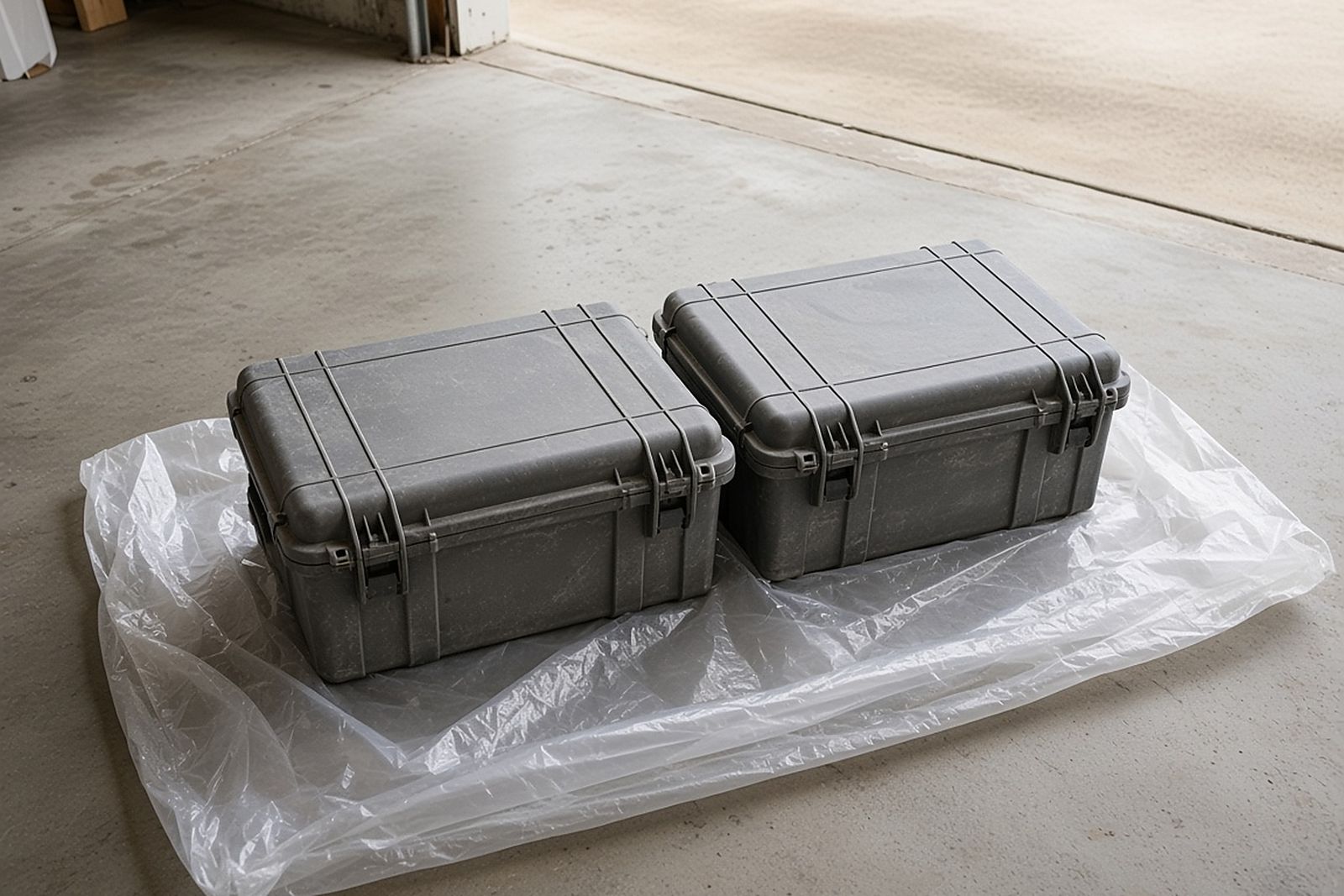
Federal transportation rules still apply to how regulated waste is packaged and labeled for travel on public roads. A reputable provider will handle all of this discreetly and can give you records showing where materials went.
Personal belongings are treated differently from waste. Items the family wants to keep are not regulated waste simply because they were in the room. A careful provider will clean what can be cleaned, set it aside and ask you before anything of personal value is discarded.
Local health and building offices
Cities and counties can add their own requirements. A local health department may offer guidance or, in some circumstances, need to clear a property before it is reoccupied. A building department may require a permit if walls or floors are removed and rebuilt.
Rentals, associations and shared buildings
If you rent, your lease and local housing laws may affect who is responsible for cleanup. Landlords often have a duty to restore a unit, while families care for personal belongings. If you are unsure, a tenant advocate or attorney can help. You do not have to agree to anything immediately.
Condominium and homeowners associations may also have rules about contractor access, work hours or insurance. A provider can usually coordinate with them so you do not have to.
If the death happened in a vehicle, a workplace or a shared building, other parties may be involved, such as an employer, a building owner or an insurer. The provider can often coordinate with them directly, which spares you from repeating difficult details.
How the rules fit together for one family
The case below is invented to show how the layers fit together. A man loses his brother to suicide in the brother's rented townhouse. The medical examiner releases the home the next day. The man is listed as emergency contact but is not yet the formal estate representative.
He calls the property manager, who explains that the lease makes the landlord responsible for restoring the unit and that the landlord's insurer will be notified. The property manager hires a cleanup provider, and the brother is asked only to let the crew know which personal items the family would like saved.
The crew works under the state's occupational safety plan, wearing protective equipment chosen from a hazard assessment. Carpet and pad from the bedroom are packaged under state medical waste rules and taken by a registered hauler to a permitted facility. Because a small section of subfloor must be replaced, the landlord obtains a local building permit.
The brother receives a sealed box with photographs, a watch and a wallet, along with information about support for suicide loss survivors. This story is fictional and meant only to show how different rules can fit together without the family carrying the burden.
Can insurance or assistance programs help?
Homeowners or renters insurance may cover part of a cleanup, depending on the policy and circumstances. Insurers often ask for photographs, a written scope and an itemized invoice. It is a good idea to contact your insurer or agent before work begins.
Crime victim compensation programs are designed for crime victims, so they generally may not apply after a suicide. Some communities have other forms of help, such as funeral assistance or support from faith groups. A social worker, hospital chaplain or local suicide loss support group may know what exists nearby.
Each of these programs sets its own requirements. Keeping all paperwork from the cleanup in one folder will make any claim easier.
When you contact an insurer, you can share only what is needed. The written assessment from the provider usually describes the affected area in neutral language, which can make that conversation a little easier.
Questions that confirm a provider follows the rules
A few gentle questions are enough. A caring provider will answer patiently and in plain language. If a company seems unsure or dismissive, it is fine to thank them and call someone else. Rules vary by state and county; verify with the local authority.
You might also ask how the company protects your family's privacy in its records and communications. Invoices and reports can describe the work accurately without graphic detail, and a considerate provider will avoid marked vehicles or signs that draw attention from neighbors.
- Will you confirm the home has been released before starting?
- Which agency oversees worker safety for your crews in this state?
- How will contaminated materials be packaged, transported and disposed of?
- Are you registered with any state agency, if that is required here?
- Will I receive photos, an itemized invoice and disposal records?
- How will you coordinate with my landlord or association, if needed?
Support while these details are handled
Rules and paperwork are only one small part of what you are facing. Grief after suicide can be heavy and complicated, and you deserve care as you move through it.
If you or someone close to you is struggling or having thoughts of suicide, call or text 988 to reach the 988 Suicide and Crisis Lifeline at any time. Support groups for suicide loss survivors, grief counselors and trusted friends can also help. Please let others carry some of the weight, including the practical tasks, for as long as you need.