Suicide Cleanup: Regulations
How to identify the worker-safety, waste, transport, environmental, and local rules that may apply to suicide cleanup. Confirm jurisdiction-specific requirements with the issuing authority.
Posts about rules help you understand what shapes this kind of cleanup, without making you an expert in rules. They explain how workplace safety rules on bloodborne germs apply to the workers. They explain how states sort and track regulated medical waste. They also explain why a licensed hauler must carry certain materials away from a home. These rules were not written with suicide in mind. But they guide much of what a responsible provider does. Details change from state to state, and sometimes from county to county. So the articles focus on the main ideas and on which office can confirm local rules.
Get an email reply about suicide cleanup
Send a short message to the follow-up inbox. A coordinator can reply by email. This form does not send emergency help; call 911 first if anyone is in danger.
Knowing how the rules fit together helps you judge whether a provider takes the work seriously. A good sign is a company that can name its hauler, explain what paperwork you will get, and describe how its workers are trained. That company is likely paying attention to the rules that protect you. The posts also explain which duties fall on property owners, such as allowing access or telling a landlord. They explain which duties belong to the contractor. Rules vary by state and county, so check with the local office. When a question is about your own address, the county health department is usually a good first call.

OSHA Regulations and Suicide Cleanup
A gentle guide to the OSHA rules that protect suicide cleanup technicians, why they matter to your family, and simple ways to confirm a crew follows them.
OSHA rules apply to the cleanup company, not to you. They require the crew to be trained in bloodborne pathogens, supplied with protective equipment at no cost, medically cleared and fit tested before wearing tight-fitting respirators, and informed about chemical hazards. You do not need to know the details. Asking a provider a few quiet questions is enough to confirm they take these duties seriously.
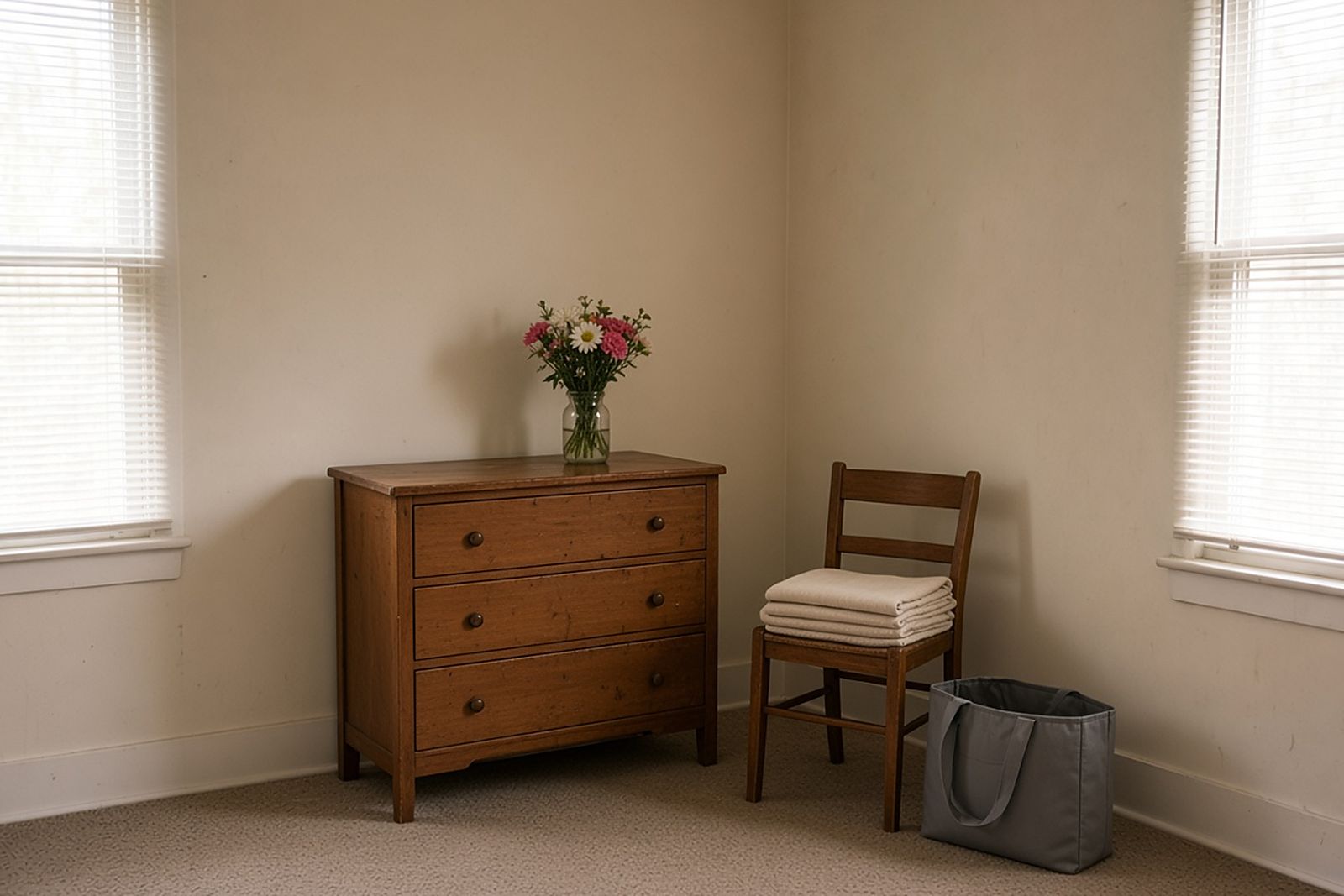
Which Federal, State, and Local Rules Apply to Suicide Cleanup?
A gentle overview of the federal, state and local rules that apply to suicide cleanup, and simple ways to confirm a provider follows them where you live.
Several layers of rules apply after a suicide. Police and the medical examiner or coroner decide when the home is released. OSHA or a state plan protects the cleanup crew, and federal transport rules govern how waste is moved. States oversee most medical waste disposal and may register cleanup businesses. Local health, building and housing offices can add requirements. A good provider will explain what applies at your address.
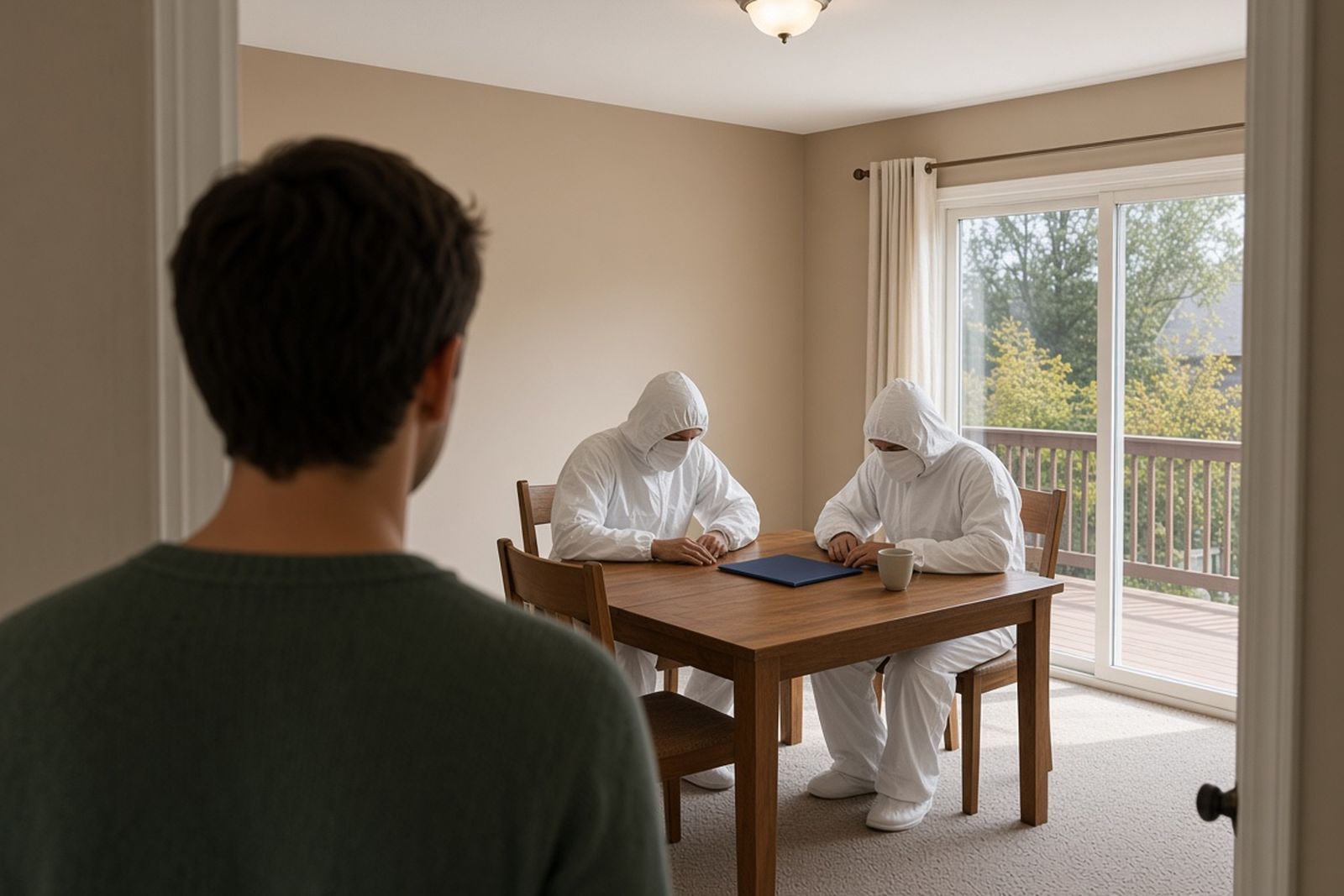
How to Research Waste Rules for Suicide Cleanup
A gentle guide to researching waste rules after a suicide cleanup: what counts as waste, which agency to check, and how belongings and medications are handled.
To research waste rules after a suicide, start with your state's medical waste program, since federal EPA oversight ended in 1991. Learn how the state treats blood-contaminated materials from a home, whether haulers must register and what records are required. Separately, ask how medications and personal belongings will be handled. A caring provider will explain all of this and give you disposal records.
Sourced figures on regulations
- $0 to employees
Since February 13, 2008, OSHA has required employers to provide required personal protective equipment at no cost to employees.
Read with care: Exceptions exist for non-specialty footwear, prescription eyewear and lost or deliberately damaged PPE.
Source: OSHA (2008)US general industry employers
- 10 working days
OSHA's Bloodborne Pathogens Standard requires employers to offer the hepatitis B vaccine within 10 working days of assigning a worker to a job with occupational exposure.
Read with care: Covers employees only; self-employed and volunteers are not protected by the rule.
Source: OSHA (2001)US employers covered by 29 CFR 1910.1030
- 130 million
OSHA covers about 130 million workers at more than 8 million worksites in the United States.
Read with care: Includes state-plan coverage.
Source: OSHA (2024)United States, OSHA jurisdiction
These figures are public research and agency data, not this network's own job records. Keep each number with its population, year and limits; none of them predicts cost, timing or outcome at a specific property.
What research has found
Findings from published studies of people and properties in situations like this one. They describe what researchers observed in a specific group; they are not predictions for your case.
Parenting responsibilities could provide structure while also increasing pressure.
Men described internal and gender-related obstacles to asking for support.
Regulations: common questions
Is there a license specifically for suicide cleanup?
Few places issue a license just for this kind of work. Instead, providers usually must follow worker safety rules and use permitted haulers for regulated waste. They must also meet any general contractor or business rules in your area. Ask a provider which registrations apply locally. Then confirm them with the office that issued them, rather than taking the claim at face value.
Who is responsible for the paperwork on removed materials?
The provider and its licensed hauler usually prepare the tracking documents for regulated waste. As the property owner or estate representative, you should receive a copy for your records. Keep it with your insurance file and the written scope. If a provider cannot explain what paperwork you will get, ask more questions before hiring.
Do privacy rules limit what a provider can share about the job?
Good providers treat family information as private, even where no law requires it. You can ask the company to keep details off social media. You can ask them not to discuss the job with neighbors. You can also ask them to share records only with people you name. Put these requests in writing so your wishes are clear.
Does the cleanup company need permission from police before starting?
The company should not begin work until authorities have released the scene. In most cases, release is confirmed by the police or the medical examiner or coroner, and the family is told when this happens. A provider may ask you to confirm the release or may call the agency themselves. Once the scene is released, the family or property owner authorizes the cleanup.
Are there rules about how the crew must transport removed materials?
Yes. Materials contaminated with blood or other body fluids are often subject to transport and packaging rules, which may include labeled containers and licensed haulers. The specifics vary by state. You do not need to know them in detail. Ask the provider how they transport waste and who hauls it, and request the related records for your file.
Can our city or county require anything extra after a death in the home?
Some local governments have rules about housing, building repairs, or health. For example, removing parts of the building may need a building permit. Rental units may have inspection rules. A local provider will usually know what applies. If you are unsure, call the city or county office. Ask whether any rules apply to cleanup or repairs at your address.
Do rules change if the home is a manufactured or mobile home?
The basic safety and waste principles are the same, but materials and construction can differ, which affects how contamination spreads and what must be removed. Park or community rules may also apply to contractors. If the home sits on rented land, the park manager may need to be informed. Tell the provider the type of home so they can plan accordingly.
Related community polls
Every count is a real visitor vote; nothing is seeded or padded. One vote per poll per device, and you can change your answer.
If you were coordinating cleanup after a suicide loss, who would you want to make the first call to a provider?
How important is it to you that a cleanup crew arrives in unmarked vehicles and plain clothing?
More on suicide cleanup
Suicide Cleanup services
Learn what cleanup after a suicide loss involves. See how scene release, approval, disinfecting, belongings, and records all work to protect your family.
Costs explained
What drives the price, published cost ranges, and how to read a written quote line by line.
Insurance and payment
Which policies may respond, how to document a claim, and what to do if coverage is denied.
Planning tools
Six short, private tools help you plan the first day, check risk, vet a provider, estimate cost, sort out a claim, and understand waste.
Community polls
See how other families handled privacy, insurance, staying home, and picking a provider after a suicide loss. Add your own view without giving your name.
Knowledge quiz
Check what you know about hazards, who can approve work, sealing off the room, disinfecting, waste, and records. This gentle quiz is for families and helpers.
Field guides
Step-by-step guides walk you through approval, privacy requests, insurance questions, and when to go back in after a suicide in a home or rental.