Short answer
A defensible suicide cleanup scope connects every task to something the assessor actually observed and photographed. It maps affected areas, explains why each material is cleaned or removed, names the disinfectant and its contact time, describes how belongings and waste are handled, lists exclusions, says who can approve changes and defines the records you will receive at closeout.
Why walk through an example scope?
When you are grieving, a cleanup estimate can look like a wall of unfamiliar terms. You may not know which lines are necessary, which are padding and which are missing. Seeing a complete, reasoned scope laid out step by step can help you, or the person helping you, recognize a good one.
The example below is entirely fictional. The family, the home and the findings are invented to show how a careful provider thinks. It does not describe any real event, and it is not a promise of what your situation will require. Every home, and every loss, is different.
The details of how the person died are deliberately left out. A good scope does not need them, and neither do you. What matters is where contamination is, what it touched and how each area will be handled.
The situation in this example
In this hypothetical, a man in his fifties died by suicide in the primary bedroom of a single-story house he shared with his wife. After the medical examiner finished and the police released the home, his wife went to stay with her daughter. Her daughter became the point of contact for the cleanup company, with written permission from her mother, who owns the home.
The bedroom has wall-to-wall carpet over a plywood subfloor, painted drywall, a wooden bed frame, an upholstered chair, a nightstand and a closet full of clothing. A forced-air return vent sits low on one wall. The rest of the house was not affected.
The daughter asked that her father's watch, wallet, reading glasses and a framed photo on the nightstand be set aside, and that nothing personal be discarded without her approval.
Before the first visit, the company asks the daughter a few practical questions by phone: when the home was released, whether anyone is living there, what the flooring is and whether there are pets. It does not ask her how her father died. Those answers let the supervisor bring the right equipment and plan a quiet arrival.
Mapping what was affected
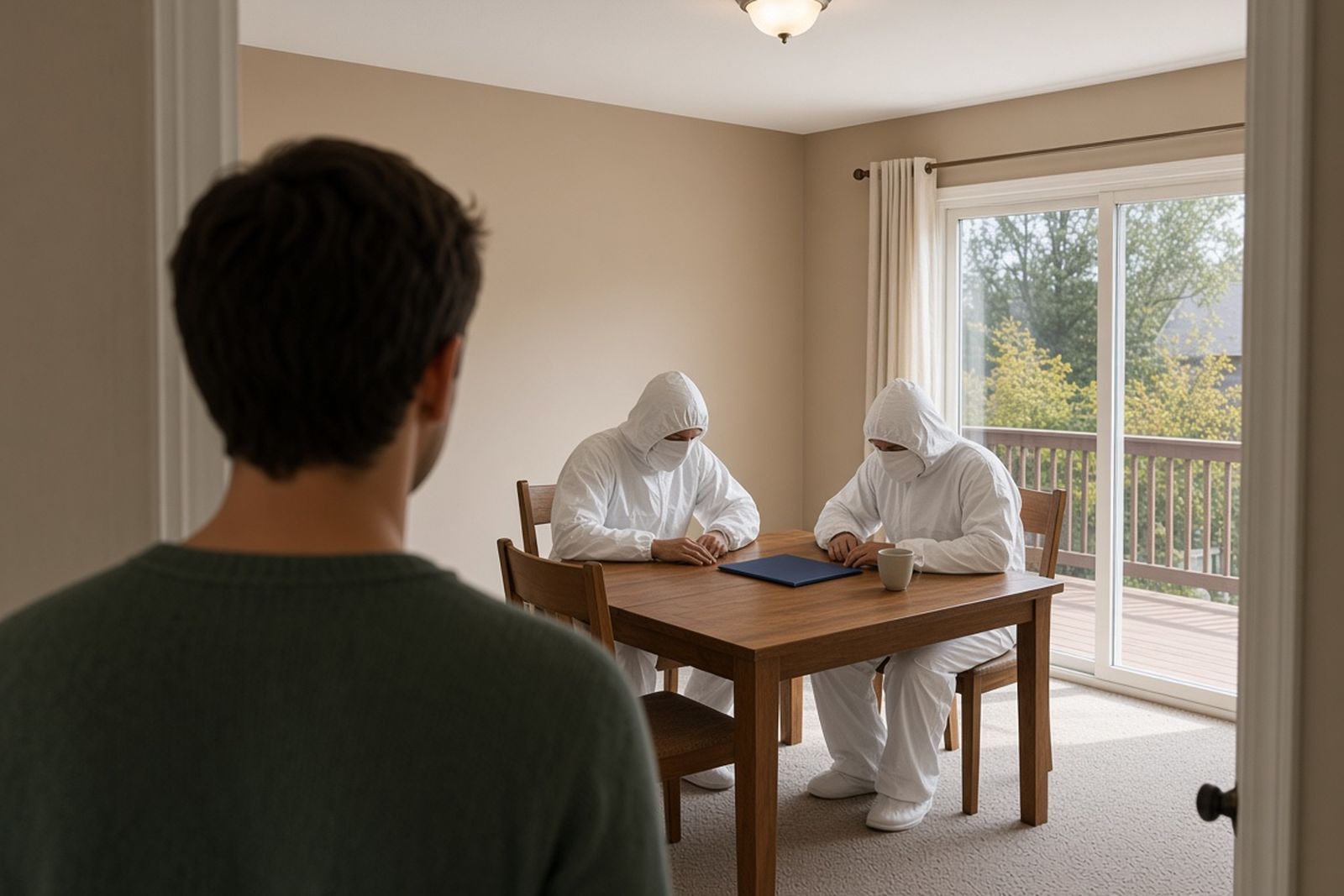
The supervisor enters in protective equipment and photographs the room from each corner before touching anything. They note visible staining on the carpet near the bed, on one side of the bed frame and on the lower part of the upholstered chair. They check the nightstand, the return vent and the closet doorway.
Next, they look for spread that cannot be seen from above. They lift a corner of carpet near the stained area and find that the pad beneath is affected, with some staining on the subfloor. They check the tack strip, the baseboard and the bottom of the drywall behind the bed. The baseboard on that wall shows contamination at the joint; the drywall above it does not.
Each finding gets a photo and a short note. That record is what makes the rest of the scope defensible. Anyone reviewing it later, whether the family, an adjuster or a restoration contractor, can see why each decision was made.
Removed vs cleaned: the materials list
The scope separates porous materials that absorbed fluids from hard surfaces that can be cleaned and disinfected. That line is the heart of any good plan.
In this example, the affected carpet, pad and tack strip are removed, along with the baseboard on the one wall. The upholstered chair is recommended for disposal because fluids soaked into the cushion and frame; the daughter approves that in writing. The wooden bed frame and nightstand are sealed finishes, so they can be cleaned and disinfected. The subfloor is cleaned, disinfected, allowed to dry and then sealed with a primer suited to that use.
The scope also states what is not being removed and why. The drywall stays because inspection showed no contamination. The closet contents stay because nothing was affected, although the family can ask for them to be packed.
Notice that the decision to remove the chair is not made silently. Upholstered furniture often cannot be reliably cleaned once fluids reach the padding, but it may also carry deep meaning for a family. The scope explains the finding, and the daughter gets to say yes or no.
- Remove: carpet, pad and tack strip in the marked area
- Remove: baseboard on the affected wall
- Remove with written approval: upholstered chair
- Clean and disinfect: bed frame, nightstand, exposed subfloor
- Seal: subfloor once cleaned and dry
- Inspect and clean: return vent and nearby duct opening
Chemistry, containment and waste
A defensible scope names the disinfectant product and says the crew will follow its label, including how long surfaces must stay wet to be effective. It explains how the room will be contained to keep dust and residue from reaching the hallway, for example by closing the door, covering the return vent and laying a protected path to the exit.
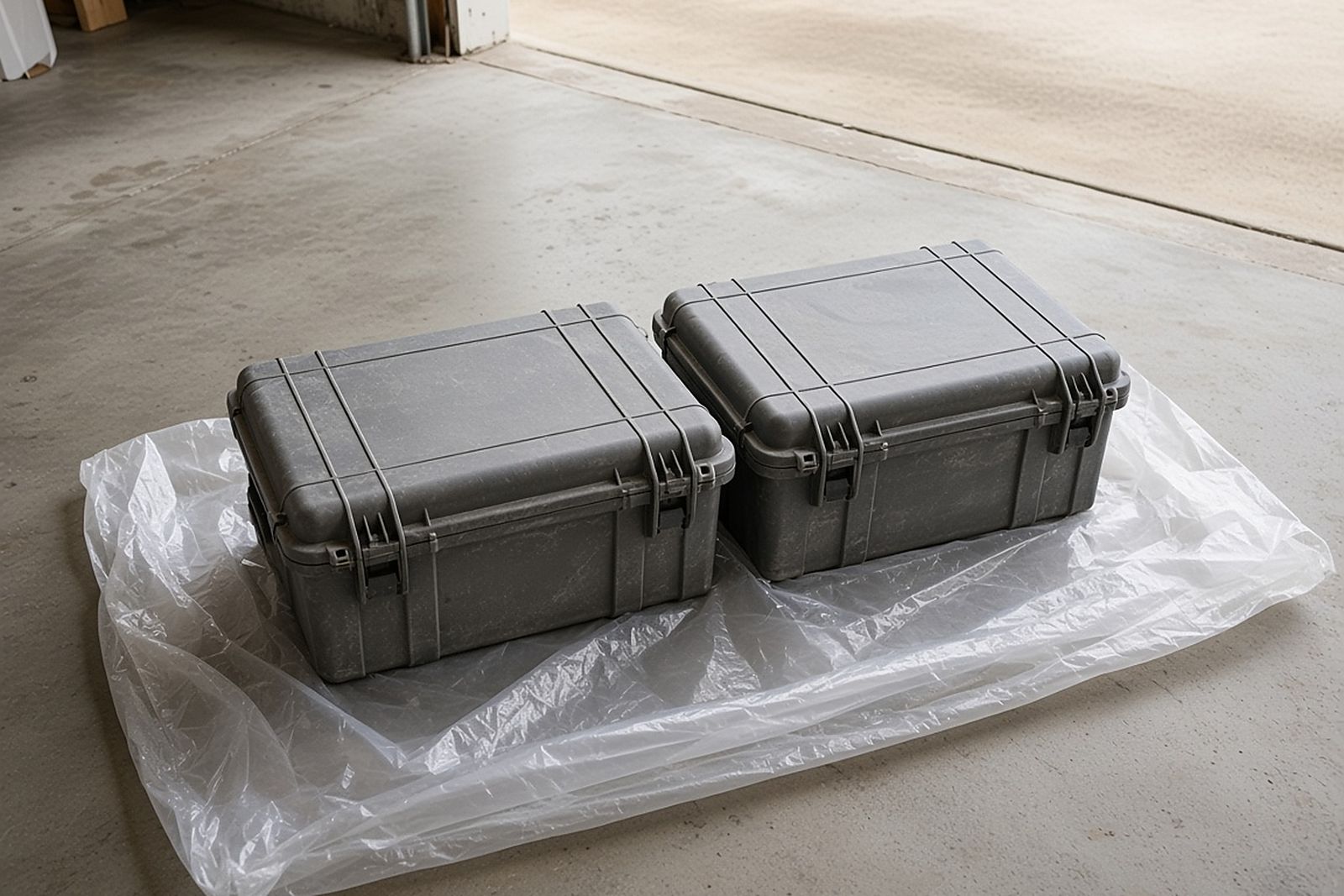
The scope also says how waste will be packaged and where it will go. Items contaminated with blood are packaged as regulated waste, labeled and handed to a licensed hauler, and the family receives the disposal record. Your state's medical waste program sets how regulated waste must be handled where you live.
The return vent and a quiet arrival
Finally, the scope describes how the vent will be addressed. In this example, the crew cleans the return grille and the first section of duct, replaces the system filter and notes that a separate HVAC contractor can inspect further if odor persists.
Throughout the work, the crew arrives in an unmarked vehicle, keeps equipment inside the garage and avoids talking about the job in the driveway. Those small choices are part of the plan too, and good providers write them down when a family asks.
Personal belongings in the plan
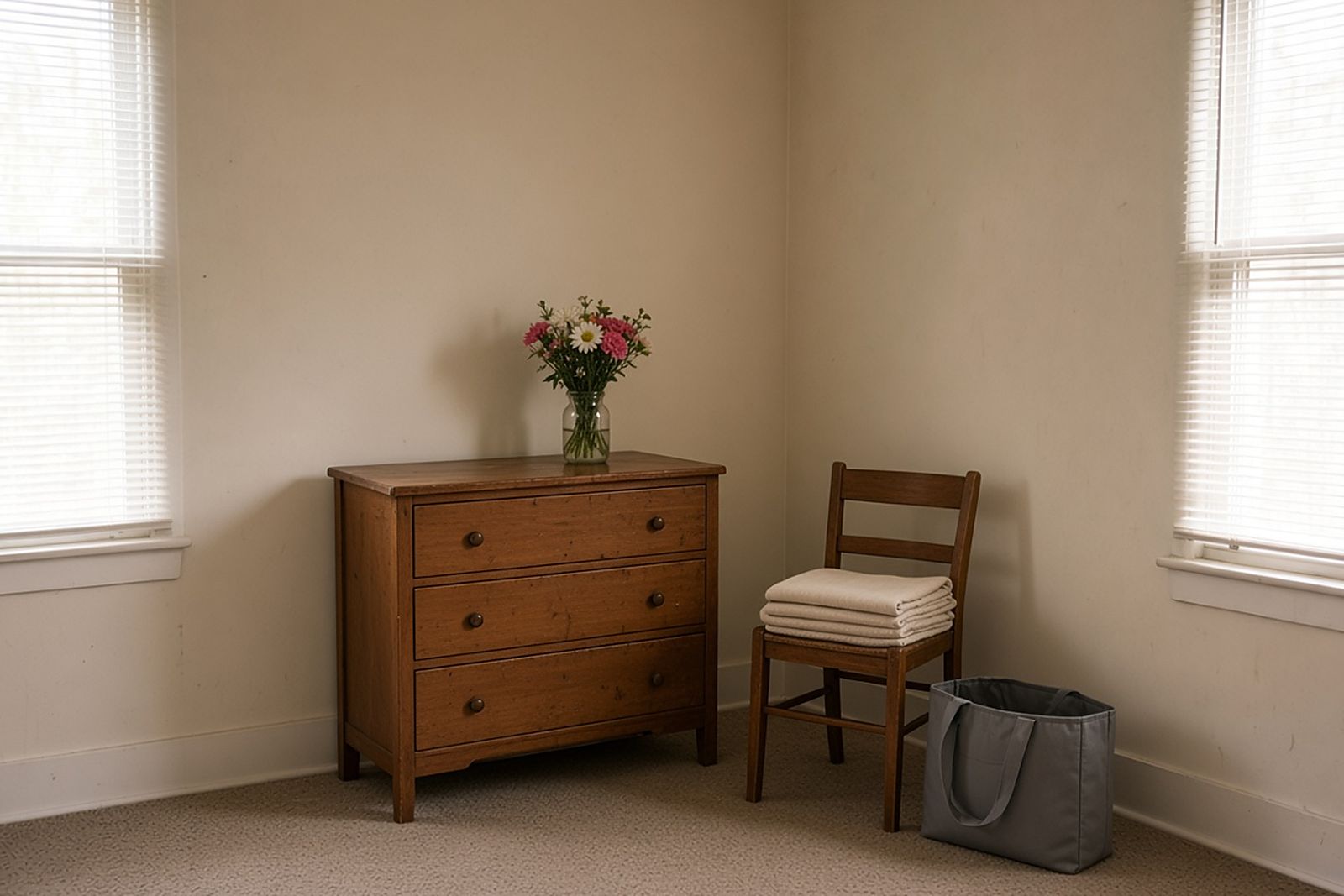
Belongings deserve their own section, not a line buried at the end. The scope lists the items the daughter asked to have set aside and states that they will be cleaned if needed, bagged, labeled and handed to her directly.
It also says that any papers, letters or notes found during the work will be given to the daughter or the appropriate authorities without being read. Nothing personal will be thrown away without her written approval, and anything unclear will be photographed and asked about rather than assumed.
The daughter decides to leave the closet untouched for now. The scope records that choice, so no one on the crew is unsure about it.
Exclusions and change authority
Exclusions protect everyone from misunderstandings. In this example, the scope excludes new carpet, baseboard installation, painting, HVAC work beyond the first duct section and any work in other rooms. Those items may be needed later, but they are not remediation.
The scope also names who can approve changes. If the crew finds that the subfloor is more deeply affected than expected and needs to be cut out, work pauses, the supervisor photographs the finding and the daughter approves the added step in writing before it happens.
This single rule prevents most billing disputes. It also keeps the family in control at a time when so much else feels out of their hands.
The scope also records the price structure, whether by the hour, by the task or as a fixed total for the defined work, so the daughter understands how any approved change will affect the final bill. Knowing that ahead of time spares her a difficult surprise later.
Records at closeout
At the end of the job, the daughter receives a closeout package. It includes before and after photos of each area, a list of removed items with reasons, the disinfectant name and label contact time, notes on the vent, the waste disposal record and any approved changes.
The supervisor offers to walk through the room with her, and she brings her husband. They look and leave after a few minutes, which is fine. The package is what the mother's insurer and any future contractor will rely on.
A package like this also helps if questions come up months later, such as when the house is sold or when a flooring installer asks about the subfloor.
What the family can take from this example
The lesson is that a strong scope explains itself. Every removal, every cleaning step and every exclusion ties back to something seen, photographed and written down. You do not need to understand the chemistry to ask, for each line, why it is there.
The example also shows how much of the work can be handed to someone else. The widow in this story never had to enter the bedroom or read the estimate. Her daughter did that for her, with her permission, and brought her only the decisions she wanted to make.
If you are carrying a loss like this, please remember that support exists beyond the practical tasks. You can call or text 988 at any time to reach the 988 Suicide and Crisis Lifeline.