Short answer
ATP testing measures leftover organic residue on a surface a technician chooses to swab. After suicide cleanup, it can help show that cleaned hard surfaces are free of visible and invisible soil. It cannot detect specific germs, see inside walls or subfloors, prove odor is gone or set a universal pass mark. Treat it as one piece of evidence alongside photos, material removal records and a walkthrough.
What ATP testing is, and what a reading tells you
When a room in your home has been cleaned after a suicide, you want more than someone's word that it is safe. You want to know that you, your children or a future tenant can walk in without worry. That is a reasonable need, and some cleanup companies offer ATP testing as part of their answer.
ATP stands for adenosine triphosphate, a molecule found in living cells and in many organic materials, including blood and other bodily fluids. A handheld meter reads a swab and returns a number. Lower numbers generally mean less organic residue was collected from that spot.
Understanding what that number means, and what it does not mean, helps you decide how much weight to give it. It also helps you ask better questions if a provider presents a test result as the final word.
An ATP reading tells you how much organic material the swab picked up from the area that was tested. If a nightstand, windowsill or hard floor has been cleaned thoroughly, the reading from that surface should be low. If residue remains in a seam or texture the crew missed, the reading may be higher.
Because of this, ATP can be helpful as a check on cleaning quality for smooth, hard, non-porous surfaces. A provider might swab several points in the affected room before and after cleaning to show the change, or retest a spot after re-cleaning it.
The reading is a snapshot of a small area at one moment. It reflects how carefully that spot was cleaned, and how the swab was taken. It is useful information, but it is narrow.
What can ATP testing not do?
ATP does not identify bacteria or viruses. A low reading does not certify that bloodborne pathogens are absent, and a higher reading does not mean anything dangerous is present. It measures organic residue in general, which can include food, skin cells and plant material as well as bodily fluids.
ATP also cannot see beneath surfaces. After a suicide, the most important questions are often about where fluids may have traveled: under carpet pad, into a subfloor, behind baseboards or into upholstered furniture. A swab from the top of a cleaned floor cannot answer those questions. Only inspection, removal of affected materials and documentation can.
There is no single industry-wide pass threshold that applies to every meter and every surface. Different manufacturers use different scales, and readings can vary with swab technique and surface type.
Finally, ATP says nothing about odor, chemical residue from cleaning products or whether a room feels emotionally ready. Those questions need different answers.
It is also worth remembering that a meter reading is only as good as the person using it. Pressing lightly, swabbing a smaller area or using an expired swab can all lower a number without the surface being any cleaner. That is not a reason to distrust every result, but it is a reason to value consistent, documented technique.
Where ATP fits among other checks
Think of ATP as supporting evidence, not proof on its own. The strongest closeout package after a suicide cleanup combines several kinds of evidence, each covering something the others miss.
Photographs show the before and after condition of each area. Removal records show which porous materials, such as carpet, pad or drywall, were taken out because they could not be reliably cleaned. The disinfectant log shows which product was used and that it stayed wet on surfaces for the time its label requires. A walkthrough lets you or your representative see and smell the space directly.
ATP readings can then add a measurable check on the hard surfaces that stayed in place. Used this way, they strengthen the record rather than standing in for it.
- Before and after photos of each affected area
- A list of removed materials and the reasons for removal
- Disinfectant name and label contact time
- Checks of subfloors, cavities and nearby furniture
- ATP readings from specific, named locations
- A final walkthrough with your representative
Reading the report, and when swabs are taken
A useful report names the meter used, the exact spots swabbed, the reading at each spot and what the company considers an acceptable result for that meter and surface. It should also say whether any spot was re-cleaned and retested. If a report shows a single number for a whole room, ask for the location-by-location detail.
Look for swab locations that make sense. Spots near the affected area, such as a bed frame, door handle or light switch, are more meaningful than a random countertop across the house. If the only readings come from places that were never affected, the test proves little about the work.
If you do not want to read technical details, ask a trusted person to review the report for you. You can ask the provider to explain it to them in plain language.
Timing matters. Swabbing a surface while disinfectant is still wet, or immediately after a cleaner has been wiped on, can distort the reading. Most providers swab after surfaces have been cleaned, disinfected for the full label contact time and allowed to dry. Ask your provider to describe their sequence so you know the numbers reflect the finished condition.
Some families or landlords prefer that someone other than the crew who did the work take the final swabs, such as a supervisor from the same company or an independent consultant. That is not always necessary, but it can add confidence when a property is being sold or re-rented, or when an insurer asks for third-party verification.
Whoever takes the swabs should record the location, time and reading on the spot, ideally with a photo of the meter display next to the surface. That simple habit makes the report far more credible than a handwritten list of numbers added later.
One family's closeout
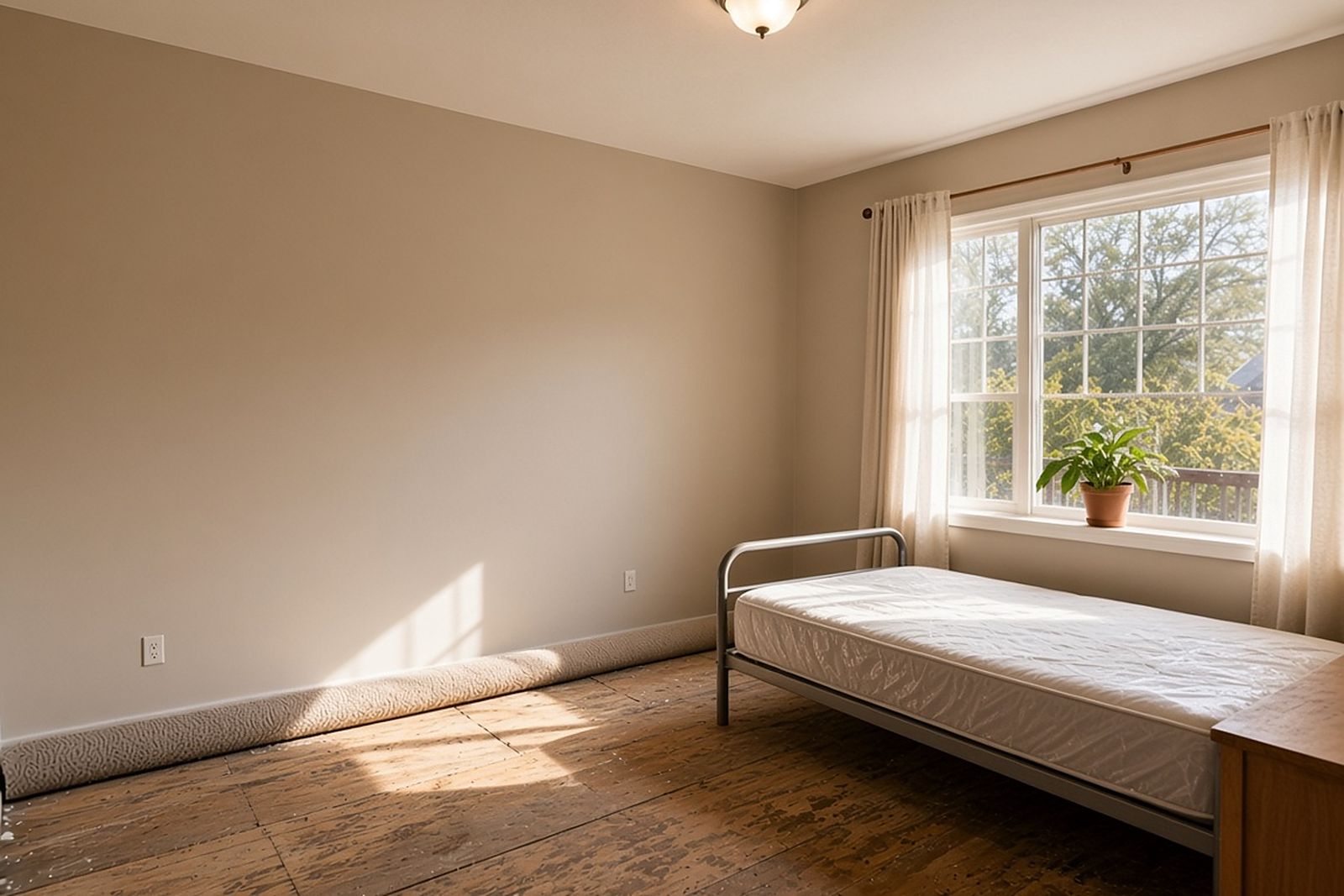
Take a hypothetical case. A mother whose adult son died by suicide in his bedroom asks a cleanup company how she can know the room is truly clean. The company removes the carpet, pad and a section of baseboard, cleans and disinfects the subfloor and hard furniture, and seals the subfloor.
At the end, the technician swabs the bed frame, a dresser top, the window ledge and the door handle. All four readings are low on the company's meter. The report pairs those numbers with photos, a list of removed materials and the disinfectant's label contact time.
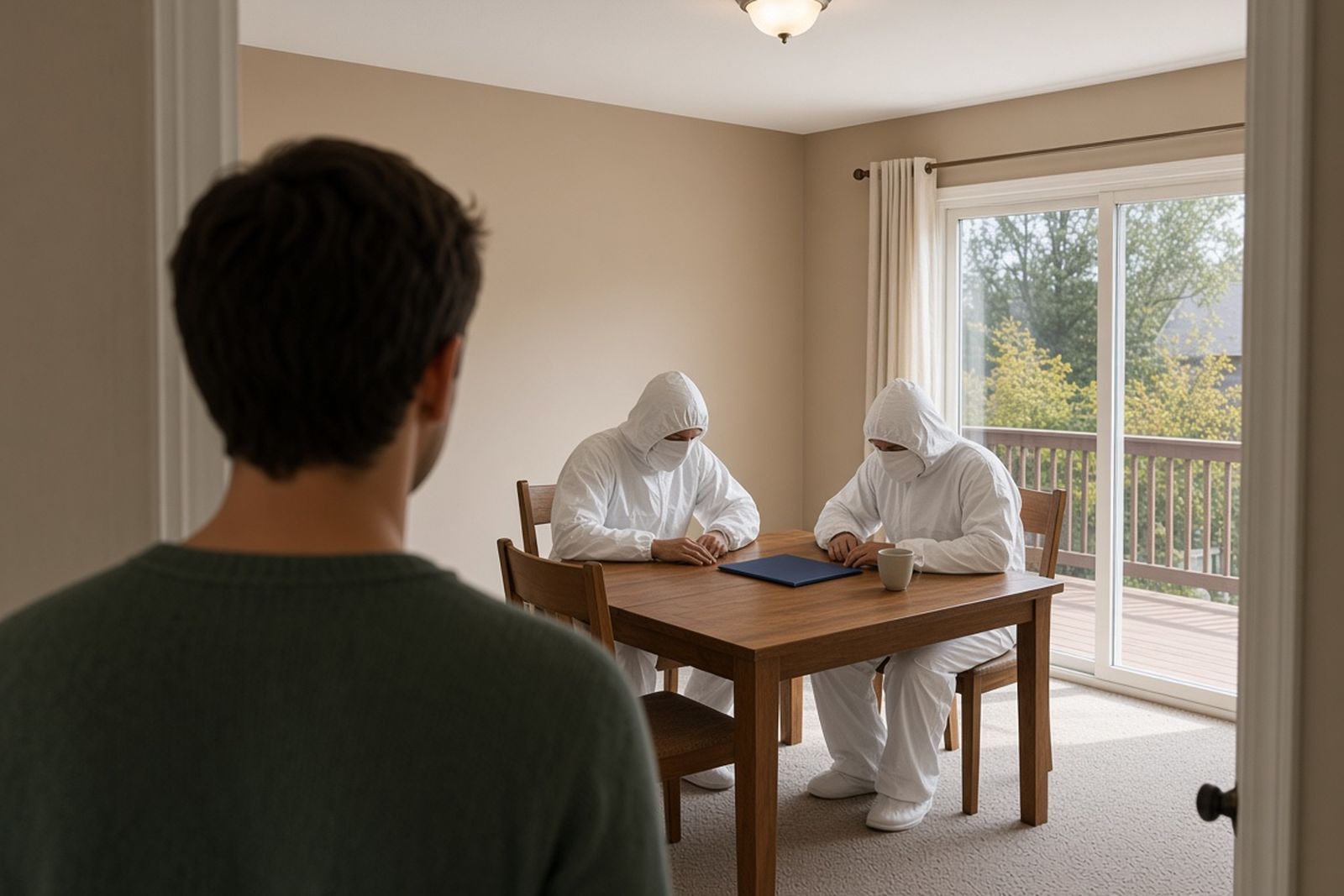
The mother does not want to review it herself, so her brother reads the report and walks through the room with the supervisor. He tells her the room is ready when she is. The scenario is made up, but it shows how ATP adds reassurance without being the only evidence.
Should I pay extra for ATP testing?
That depends on what it adds for your situation. If the room has many hard surfaces that stayed in place, or if you need documentation for a landlord, buyer or insurer, ATP readings can be a helpful addition. If most affected materials were removed and replaced, ATP may add little.
Ask the provider why they recommend it, which surfaces they would test and what they will do if a reading is higher than expected. A thoughtful answer is a good sign. A provider who treats ATP as a guarantee of safety, or who uses it to avoid removing materials that should come out, deserves more scrutiny.
Ask, too, whether the testing is included or separate. Some companies build it into their closeout as a standard step, while others offer it only on request. Either approach is fine as long as you understand what you are paying for.
Going back into the room
No test can measure how ready you are to return. Many families find that the first visit is harder than expected, even when the room looks completely ordinary. It is fine to go in with someone, to stay only briefly or to wait weeks before you open the door.
Grief after suicide can be heavy and complicated. If you or anyone in your family is struggling, call or text 988 to reach the 988 Suicide and Crisis Lifeline.
A clean room is an important step. Being gentle with yourself, and letting others help, is just as important.