Short answer
Cleaning removes blood and other material from surfaces, while disinfection uses a registered product, left on for its full contact time, to inactivate germs that remain. After a suicide at home, professionals clean first, then disinfect, and remove absorbent items that cannot be treated. Understanding the difference can help you know what to ask for and why a room that looks clean may still need care.
Why the distinction matters to a grieving family
In the first hours after a suicide at home, some family members feel an urgent need to make the room look normal again. That impulse comes from love and a wish to protect others from what they saw. Yet wiping a surface until it looks clean is only part of making it safe.
Understanding the difference between cleaning and disinfection can help you in two ways. It explains why professional crews take the steps they do, and it helps you or a trusted helper ask the right questions when choosing a provider. It may also lift some pressure, because it makes clear that this is specialized work you do not have to do yourself.
This article explains both steps gently and without graphic detail. If at any point you would rather stop reading and ask someone else to handle these decisions, that is completely okay.
If someone in the family has already started cleaning, please do not feel guilty. Many people do the same thing in shock. A professional crew can still assess the area, finish the cleaning properly and disinfect it. Simply let them know what was done so they can plan accordingly.
What cleaning actually accomplishes
Cleaning is the physical removal of material from a surface. Technicians use detergents, water, absorbent pads, brushes and specialized tools to lift away blood and other matter, including traces that have settled into textures, seams or grout lines. Cleaning also removes dust and debris that could shield germs from treatment.
This step is essential because it takes away most of what is on the surface. Yet cleaning on its own is not designed to kill the microorganisms that may remain. Think of it as clearing the way so the next step can work.
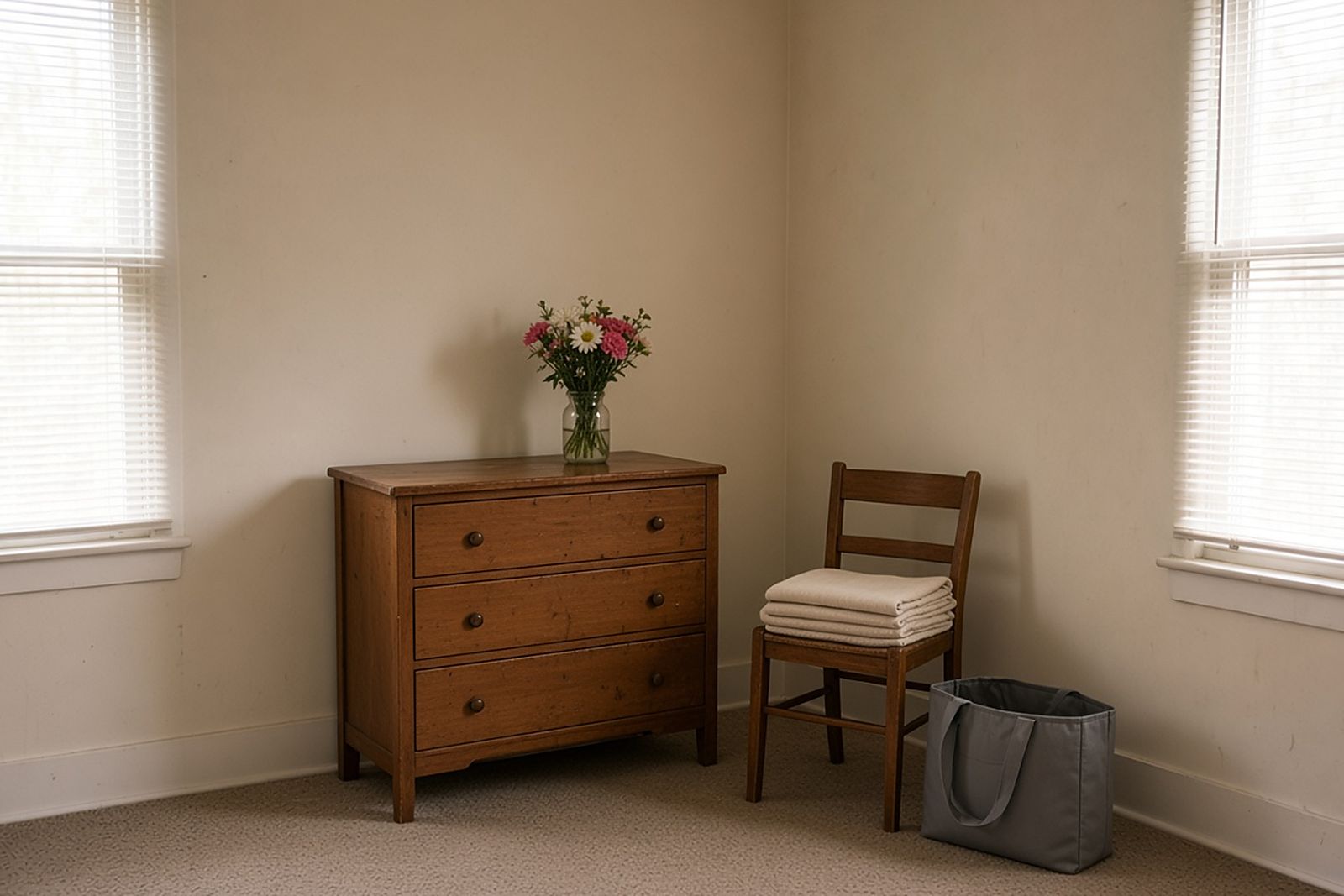
In bathrooms, which are a common setting, the cleaning step often involves careful attention to grout, caulk, drains and the edges of fixtures. In bedrooms, it may include bed frames, nightstands, walls and flooring around furniture.
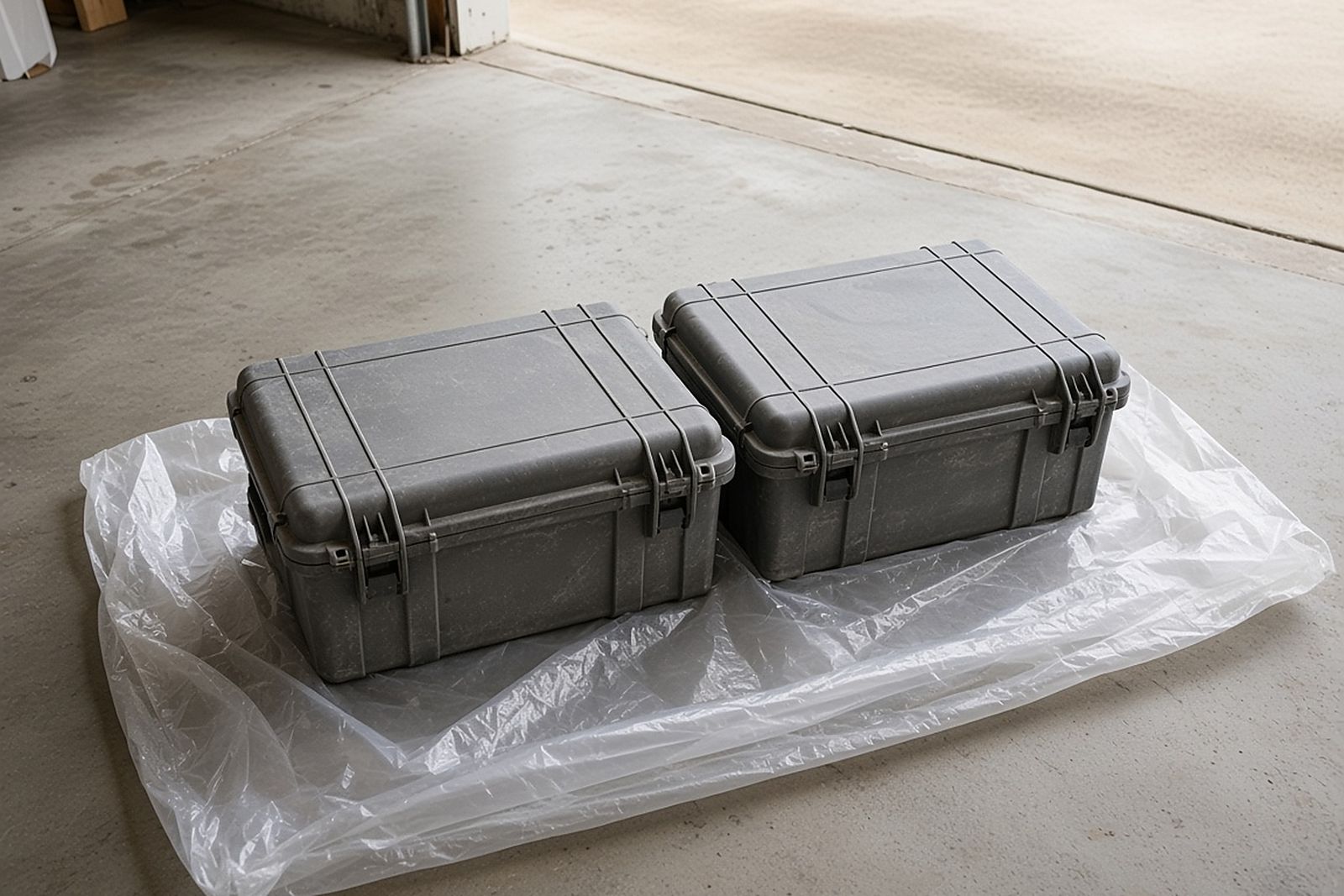
Technicians also protect the rest of the home while they clean. They may cover the path from the door to the affected room, close off vents and keep their equipment and waste inside a contained area. These precautions keep the cleaning step from spreading material into hallways or other rooms that were never affected.
What disinfection adds, and why cleaning comes first
Disinfection uses a chemical product to inactivate bacteria and viruses left behind after cleaning. For blood, professional crews choose disinfectants whose labels address bloodborne pathogens, and they keep the surface wet for the full contact time listed on the label.
The reason this matters is that some viruses in blood can outlast what people might expect. The CDC's clinical guidance on hepatitis B states that the virus remains infectious for at least 7 days on environmental surfaces. That does not mean every surface is dangerous, but it does mean a room that looks spotless may still benefit from proper treatment.
It may also be reassuring to know that not every virus is as persistent. According to the CDC, HIV cannot reproduce outside a human host and does not survive long outside the body, including on surfaces. Professional crews still treat all blood with the same care, because they cannot know which germs may be present.
Disinfectants need direct contact with microorganisms to work. When blood or other organic material remains on a surface, it can block that contact and weaken the chemical. Applying disinfectant to an uncleaned surface may leave it smelling fresh while germs remain protected underneath.
That is why trained technicians always follow the same order: remove, clean, inspect, then disinfect. If they see residue during inspection, they clean again before moving on. This methodical approach is one of the clearest differences between professional work and a well-meant household effort.
It is also why simply pouring bleach on a stain is not a reliable fix. Household bleach can be part of a disinfection process when it is diluted correctly and used on a cleaned surface, but used alone on a stain, it may discolor materials without addressing what lies beneath.
The time a disinfectant needs to stay wet differs widely from one product to another, and the label is the only reliable guide. Crews read the label for the specific product they are using and plan their work around it. When a provider can tell you the product name and its contact time, you know the step is being taken seriously.
Why are some things removed rather than cleaned?
Cleaning and disinfection work best on hard, sealed surfaces such as tile, porcelain, glass, metal and finished countertops. Soft or absorbent materials are different. When blood soaks into a mattress, carpet and pad, a rug, upholstered furniture or unsealed wood, it moves deep inside where neither cleaners nor disinfectants can reliably reach.
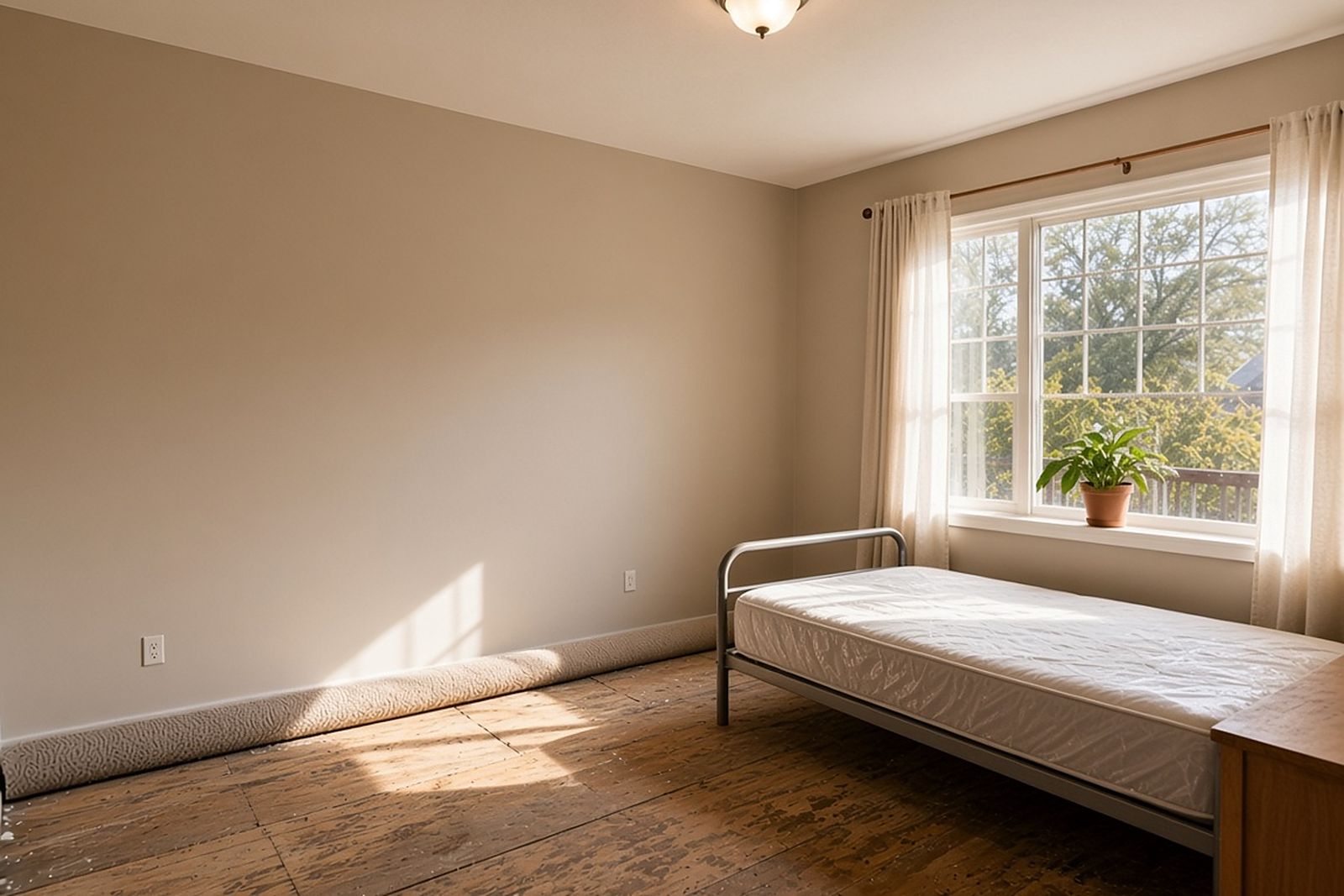
For that reason, these items are often removed and disposed of as regulated waste. The crew then cleans and disinfects whatever was underneath, such as a subfloor or bed frame. Occasionally a porous surface can be treated if contact was very light, and a careful provider will explain its reasoning either way.
Being told that a loved one's mattress, chair or rug cannot be saved can be painful. A compassionate provider will explain why, and may offer to photograph an item before it is removed so you have a way to remember it.
Can my loved one's belongings be cleaned and returned?
Many can. Hard items such as jewelry, eyeglasses, watches, phones, picture frames and ceramics can often be cleaned and disinfected. Books, papers and photographs are more delicate and are assessed individually. Clothing and fabrics depend on how much contact they had; some can be laundered or professionally cleaned, and some cannot.
Before work begins, share with the crew any items that are especially meaningful. A thoughtful team will set aside personal belongings for review, explain what can be saved and ask before discarding anything personal. Returned items are usually packaged in sealed, labeled bags or boxes so you can open them when you are ready.
If the crew finds a note or letter, it should be handed to you or the appropriate authorities unread.
- Tell the crew which items matter most, even if you are not sure where they are
- Ask for an inventory of items cleaned and returned
- Ask to be consulted before any personal item is discarded
- Request photos of items that cannot be saved, if you would like them
Knowing the room is safe, and finding support
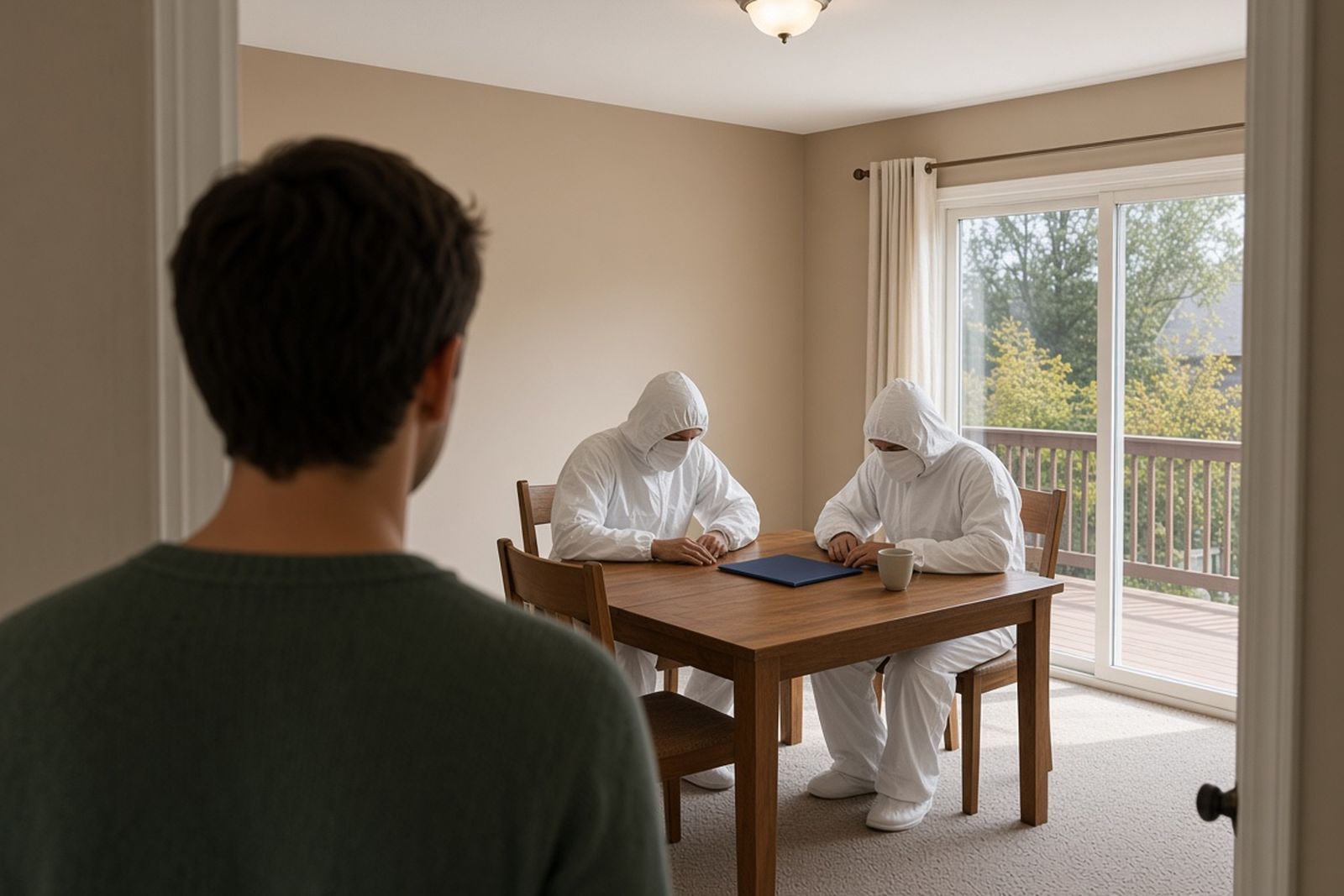
Ask the provider for a written summary that lists what was cleaned, what was disinfected, which product was used and what was removed. Photos can confirm the finished condition, and you can decide whether you want to see them. Some providers also use surface testing to support their visual inspection.
Requirements for handling and documenting this kind of waste differ from place to place. A reputable company will know the rules that apply in your area and follow them.
When you first step back into the room, it may look completely ordinary. Feelings may still rise, and that is natural. Knowing that both cleaning and disinfection were done properly can offer one small piece of reassurance during a very hard time.
If a faint odor remains after the work, or if you notice a spot that looks missed, call the provider. A reputable company will return to address it. You should not have to live with lingering reminders that a proper process would have removed.
Cleanup is one part of what follows a suicide loss, and grief can feel overwhelming. Loss survivor groups, grief counselors, faith communities and trusted friends can help. If you or anyone you love is struggling or having thoughts of suicide, call or text 988 to reach the 988 Suicide and Crisis Lifeline, available at any hour. You deserve support, too.