Short answer
The cost of cleanup after a suicide depends on how many surfaces and materials were affected, whether porous items like carpet or a mattress must be removed, how much time passed before the home was released, whether odor developed, and how much regulated waste is created. Requests to save personal items may add time. An on-site assessment and itemized written scope give you the real number.
Why a company cannot quote over the phone
When you call after losing someone to suicide, you may want one simple answer so you can make a decision and move on. Many companies will instead ask several questions and offer only a broad range. That can feel frustrating, but it usually reflects honesty rather than evasion.
Every home is different. The size of the affected area, the materials in the room and the time that passed before the family regained access all change the amount of work. A provider who has not seen the space, or at least detailed photos, cannot know those details. Companies that quote a firm total without asking anything may add charges later.
If making these calls feels like too much right now, it is completely reasonable to ask a friend, relative, clergy member or advocate to speak with providers for you. You can still make the final decisions.
Questions a provider will ask to understand the scope
Providers ask questions to estimate time, materials and disposal. They do not need graphic details, and a respectful company will not press for them. Brief, practical answers are enough. You can say that you would rather not describe something, and they can gather what they need during the assessment instead.
- Which room or rooms were affected
- What kind of flooring is in those rooms, such as carpet, hardwood, tile or vinyl
- Whether furniture, a bed or other soft items were involved
- When the death occurred and when the home was released by authorities
- Whether anyone has noticed odor
- Whether the home is occupied, and whether children or pets live there
Which parts of the scene affect cost most?
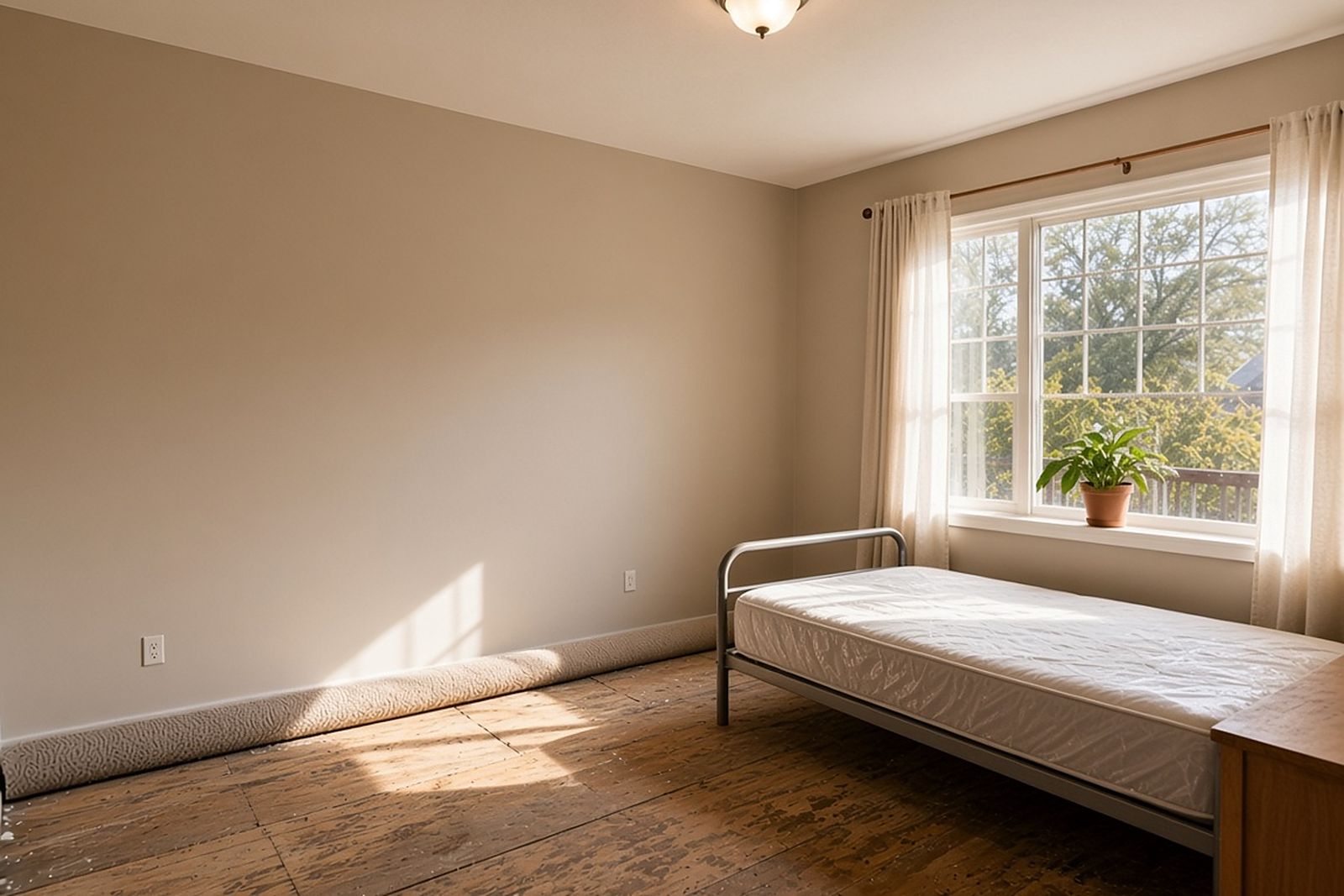
Materials matter most. Hard, sealed surfaces such as tile, finished counters and some vinyl floors can often be cleaned, disinfected and verified in place. Porous materials such as carpet and pad, mattresses, upholstered chairs, unsealed wood and drywall can absorb fluids and frequently have to be removed. Removal adds labor, protective equipment and disposal, and it creates a later need for repairs.
The size of the affected area and whether it extends beyond a single room also matter. A situation contained to one small bathroom is a very different job from one involving a bedroom, hallway and stairway. Time is the third major factor. When a home stays closed for longer, materials can absorb more and odor can develop, which may add treatment steps.
Access can play a role too. An upstairs apartment without an elevator, a narrow hallway or a cluttered room can slow the crew and increase labor time.
If the death happened in a vehicle, garage or outbuilding rather than the main house, mention that when you call. Different spaces call for different equipment and techniques, and some providers price them separately. Vehicles in particular have tightly packed upholstery and hidden spaces that affect how much can be cleaned rather than replaced.
How companies typically bill
Many providers use time-and-materials billing: crew hours, supplies, protective equipment and disposal. Fixr's 2025 cost guide reports that professional crime scene and after-death cleanup is typically billed at $400 to $600 per hour. That figure is a national guide, not a quote, and it generally describes the cost of a team rather than one technician.
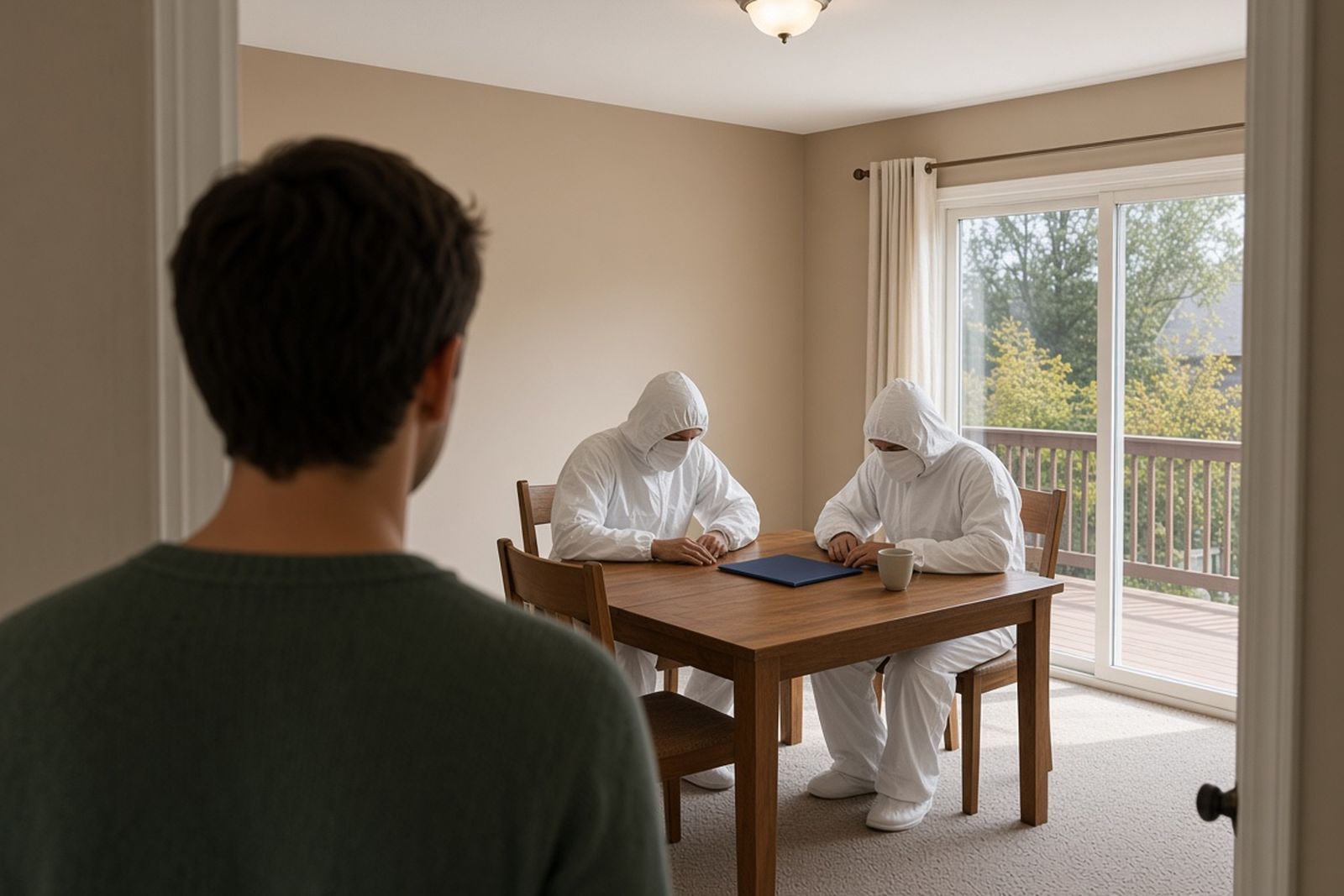
Other providers offer a job price after an assessment. Neither approach is automatically better. What protects you is a written estimate that explains the method, lists what is included and describes how you will be told if the work grows. Ask to have the pricing explained until it makes sense to you. A good provider will not rush you.
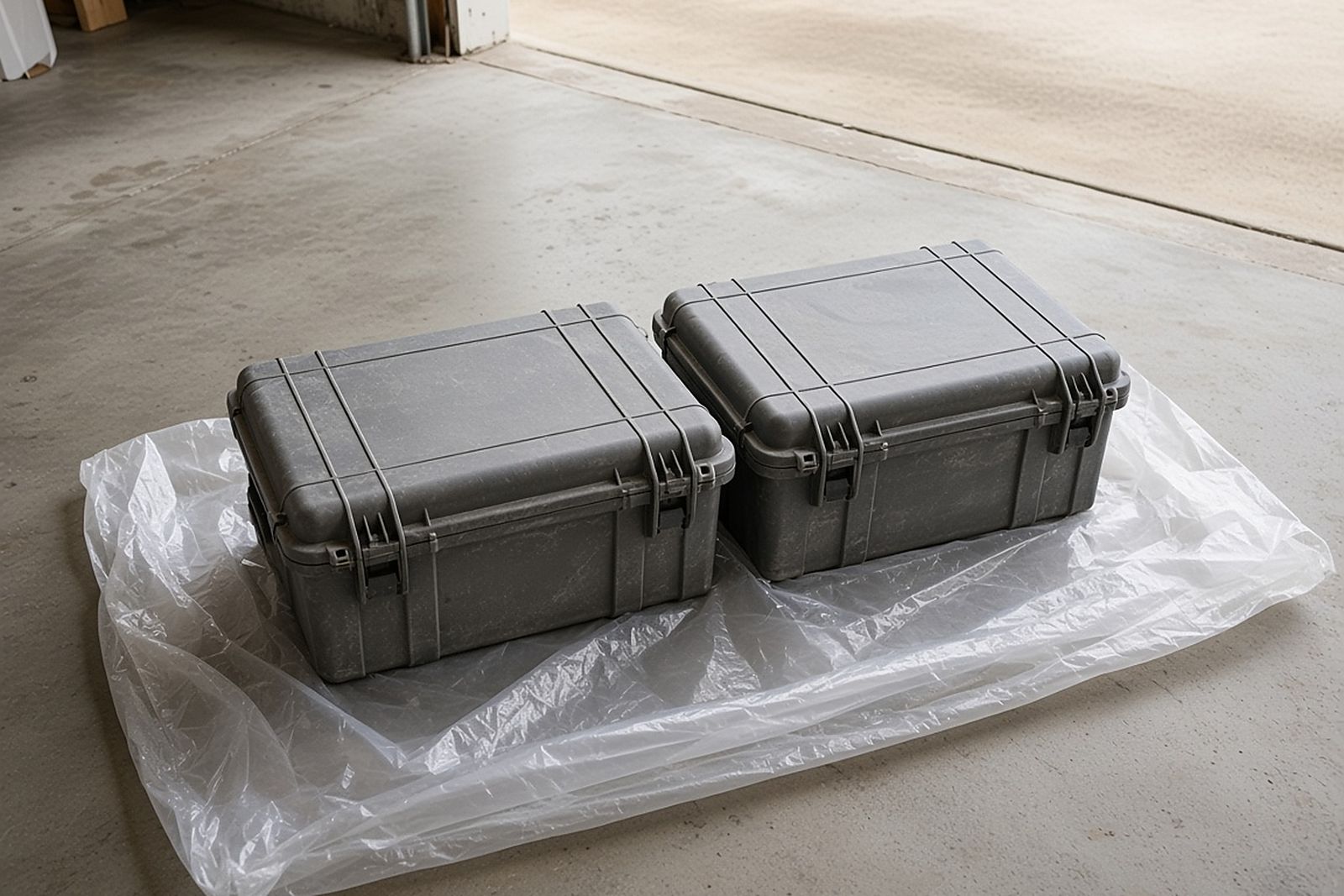
Some line items surprise families simply because they are unfamiliar. Protective suits, respirator cartridges and gloves are used once and discarded. Regulated waste has to be packaged in approved containers and transported to a permitted facility, and that handling has its own cost. Air filtration or deodorization equipment may be billed by the day. Seeing these listed separately is normal and helps you understand where the money goes.
Will saving personal belongings change the price?
It may add some time, and it is often worth it. Families frequently want certain things returned: a wallet, a phone, photographs, letters, a favorite sweater, a piece of jewelry. Some of these can be safely cleaned. Others cannot. A caring crew will ask you, or someone you designate, which items to set aside before anything is discarded.
Items found in the affected room are handled with protective procedures, assessed, cleaned when possible and returned in a sealed bag or box. Documents and photographs may need special care. If an item cannot be safely restored, the provider should tell you before disposing of it, so you have the chance to say goodbye to it in your own way.
Mention these wishes early. It is much easier for the crew to plan for them from the start than to search through waste containers afterward.
A sample scope
To show how the factors combine, here is a hypothetical scope. A father learns that his adult daughter has died by suicide in her apartment bedroom. Her roommate was away, and the apartment is released by the medical examiner the following day. The father lives two hours away and asks his sister to coordinate the cleanup.
The provider's assessment finds that the bedroom carpet and pad need to be removed, along with the mattress and box spring. A small area of drywall near the bed also needs removal. The hardwood hallway can be cleaned and disinfected in place. The daughter's laptop, a journal and several framed photos are set aside for cleaning and returned to the father in sealed containers.
The written scope lists the bedroom removal, the hallway cleaning, the belongings handling, waste disposal and a final verification step. The sister shares it with the landlord, whose insurer reviews the flooring and drywall, and with the renters carrier, which reviews the mattress and contents.
Every detail here is illustrative. It is meant to show how cost factors fit together, not to represent any real family's bill.
Does asking for discretion cost more?
Discretion is a normal part of this work, and it usually should not come at a premium. Many families ask for unmarked vehicles, crews who arrive in plain clothing and carry protective gear inside, and minimal conversation with neighbors. Some want the work done while they are away. Others want to be nearby.
If you have specific requests, such as scheduling around a funeral or keeping the work quiet in a small building, ask whether they affect scheduling. After-hours or weekend work may be priced differently, and it is fair to ask about that directly.
You can also ask the provider how they will describe the job if a neighbor asks. Many crews simply say they are doing a cleaning or restoration project and leave it there. Knowing this in advance can ease worry about gossip in a small building or close-knit street, and it lets you decide what, if anything, you want shared.
Who may help pay
Homeowners, renters and landlord insurance may cover some damage to the building and belongings, depending on the policy language and how the insurer applies exclusions. Ask the carrier what documentation it needs, and ask the provider to supply an itemized scope, photos and disposal records.
Crime victim compensation programs are designed for crime victims, so they typically do not apply after a suicide, though it is worth asking a local advocate whether any exception or other program exists. Some providers offer payment plans. Community groups, faith organizations and employers sometimes help families with urgent costs quietly. A local victim advocate or your county social services office can tell you what is available near you.
Before you sign, and where to find support
Go through these questions with someone you trust. There is no need to decide on the spot.
Grief after suicide loss is heavy, and practical tasks can feel impossible some days. If you or anyone in your family is having thoughts of suicide, call or text 988 to reach the 988 Suicide and Crisis Lifeline at any time. Suicide loss survivor groups can also offer understanding from people who have walked a similar road.
- Is the estimate based on an assessment, and what does it include?
- How is pricing structured, and when will you contact me about changes?
- Which belongings will you set aside, and how will they be returned?
- Does the estimate include odor treatment and final verification?
- Is rebuilding included, or will I need a separate contractor?