Short answer
Environmentally responsible suicide cleanup means removing only what is truly contaminated, classifying waste correctly, keeping unaffected belongings out of the trash, using disinfectants exactly as their labels direct, keeping rinse water out of storm drains, using a licensed waste hauler and giving you records of where everything went. Green marketing alone proves nothing; the paperwork and the reasoning behind each decision do.
Why the environment matters, even now
When you have lost someone to suicide, the environment may be the furthest thing from your mind. That is understandable. Yet the choices made during cleanup affect more than the room. They decide how much of your loved one's home ends up in a landfill, what chemicals are used in the space where your family lives and whether contaminated waste is handled safely once it leaves your driveway.
Many families find that responsible practices also match their values in a quieter way. Saving a favorite chair, a stack of books or a quilt that did not need to be thrown away can matter deeply. Careful sorting often protects memories as well as the planet.
You do not need to manage any of this yourself. What helps is knowing which questions to ask, or passing those questions to the person handling the cleanup for you.
How can a provider avoid throwing away more than necessary?
Over-disposal is one of the most common problems in this work. A rushed crew may clear an entire room, bagging clothing, books and furniture that were never touched, simply because sorting takes more time. That creates unnecessary waste and can cost a family items they would have wanted.
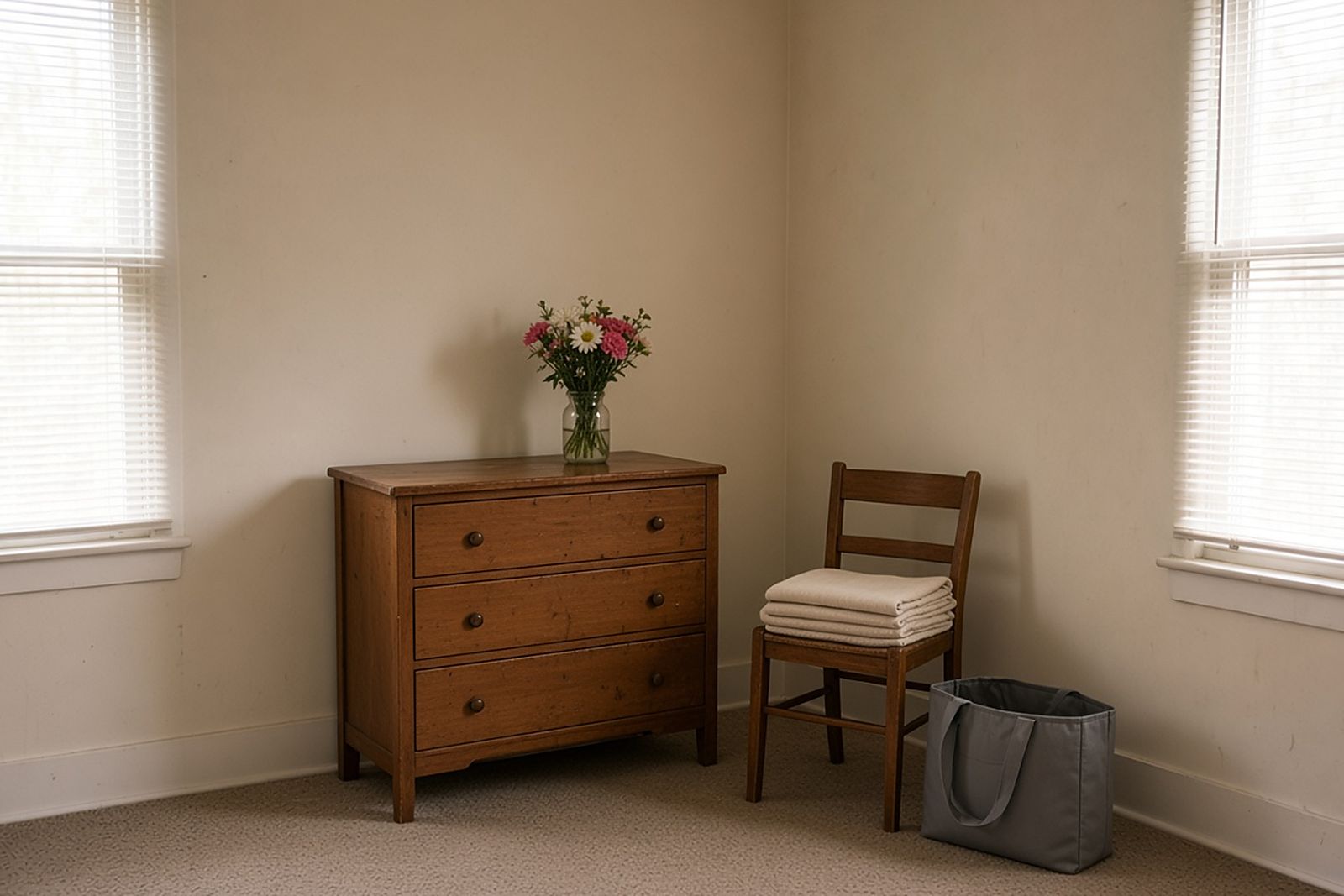
A responsible provider inspects each item and separates three groups: contaminated materials that must be removed, items that can be cleaned and returned, and items that were never affected. Only the first group goes into regulated waste. The second is cleaned and packed. The third stays where it is or is boxed at your request.
Ask how the provider decides which items are unsalvageable, and ask them to photograph and list anything they recommend discarding before it leaves the home. Nothing personal should be thrown away without your written approval.
- Remove: porous items that absorbed fluids and cannot be reliably cleaned
- Clean and return: sealed, hard or washable items with limited contact
- Leave in place: items outside the affected area
- Ask first: anything of sentimental value, whatever its condition
Correct waste classification
Not all cleanup waste is the same. Materials contaminated with blood or other potentially infectious materials, such as saturated carpet pad or bedding, generally need to be handled as regulated medical or biohazardous waste. Clean construction debris, such as undamaged trim removed to reach a subfloor, may be ordinary waste. Packaging, gloves and suits may fall into either group depending on their condition.
Sorting correctly matters in both directions. Treating everything as regulated waste sends clean material through a more energy-intensive disposal path and raises your bill. Treating contaminated material as ordinary trash can put sanitation workers and the public at risk.
There is no single national rulebook. According to the EPA, medical waste is now primarily regulated by state environmental and health departments, so your state's program sets how waste from your cleanup must be packaged, transported and treated.
Using cleaning and disinfecting products as labeled
More chemistry is not better. Environmentally responsible cleanup uses the right product for each step, in the right amount, following the directions on the label. Cleaning comes first to remove soil. Disinfection comes second, with the surface kept wet for the full contact time the label specifies.
The EPA reports that more than 4,000 antimicrobial products containing about 275 different active ingredients are registered with the agency. With so many options, a provider should be able to name the specific product used in your home, explain why it was chosen and confirm that it is registered for the organisms of concern.
Responsible providers also avoid mixing products, which can create dangerous fumes, and do not rely on heavy fragrances to mask odor. They ventilate the space during and after the work so your family is not returning to a room thick with chemical smell.
Rinse water, haulers and disposal records
Some cleanup steps produce liquid waste, such as rinse water or used cleaning solution. That liquid should never be poured into a yard, gutter or storm drain, which often lead directly to streams and lakes without treatment.
In many places, small amounts of properly handled liquid from cleaning may be allowed into a sanitary sewer through a toilet or utility sink. In others, the provider must collect and dispose of it differently. Your provider should know the local expectations and explain how they will handle it.
This is a small detail, but it says a lot about a company's habits. A crew that thinks carefully about a bucket of rinse water is usually careful about everything else too.
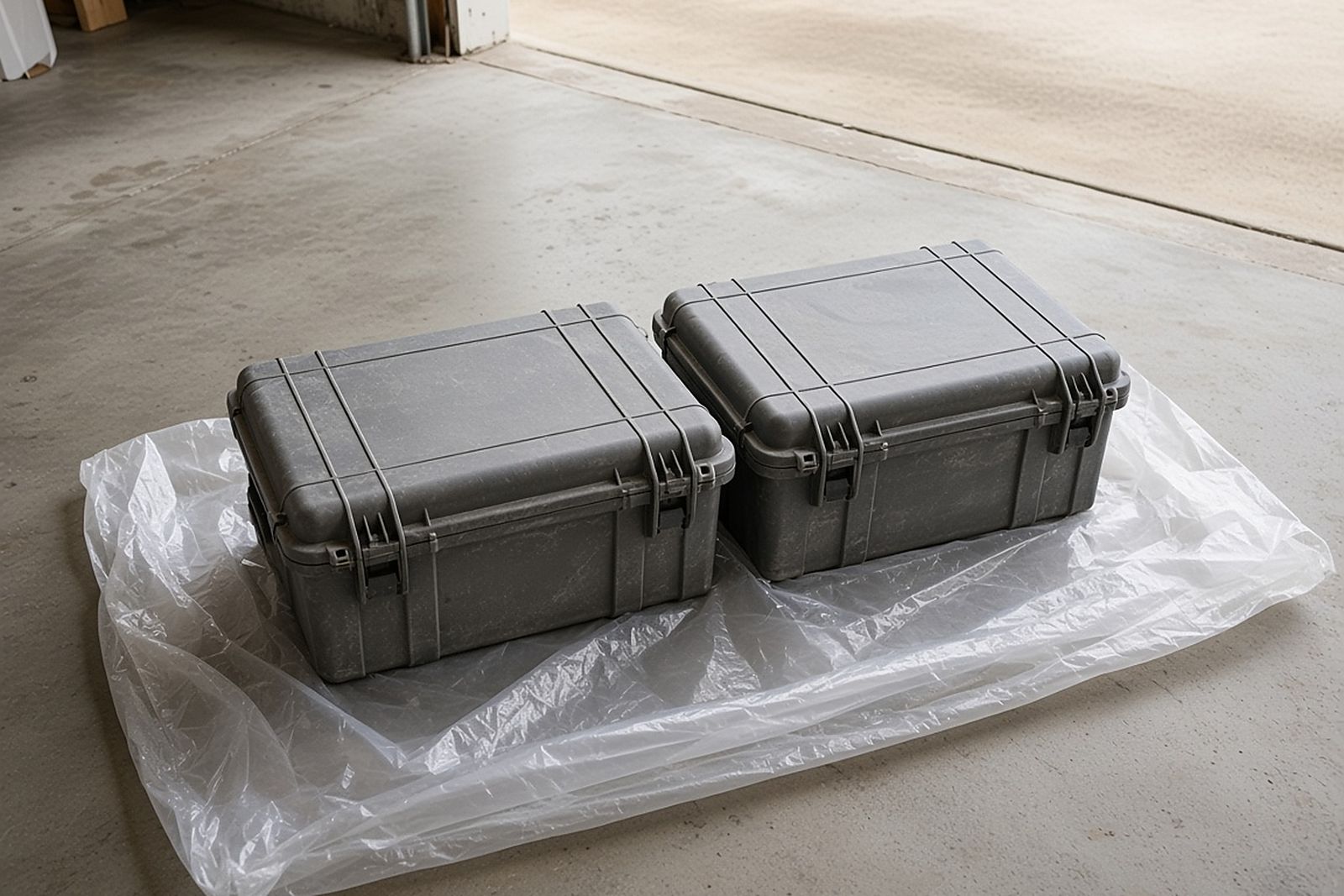
Regulated waste should be packaged in labeled containers and handed to a hauler licensed to transport it. That hauler takes it to a permitted facility for treatment, often by high heat or steam, before final disposal. Each step is supposed to leave a paper trail.
Ask the provider who hauls their regulated waste and whether you will receive a disposal record or manifest. That document shows the waste left your home and reached an appropriate facility. It also protects you if questions ever arise.
Be cautious of any provider who plans to put contaminated materials in a household trash bin or a construction dumpster, or who cannot name their hauler. That is not only an environmental concern; it can expose your family and your community to risk.
Keep the disposal record with the rest of your cleanup file. If you later sell the home, file an insurance claim or simply want reassurance, it confirms that everything removed was handled properly.
Sorting in practice: one den
In one invented but typical example, a father dies by suicide in the family's den. The den has a sectional sofa, a large rug, a bookshelf, a wooden desk and a closet of board games and photo albums.
The cleanup supervisor finds that the rug and one section of the sofa absorbed fluids. The other sofa sections are separate pieces with no contamination. The bookshelf, desk and closet are untouched. The supervisor recommends removing the rug, the affected sofa section and the pad under the rug, then cleaning and disinfecting the hardwood floor beneath.
The family asks to keep the remaining sofa pieces, and the crew cleans them and covers them for storage. The books, desk and albums stay in place. The removed materials go to a licensed hauler, and the family receives the disposal record with the final report. Instead of emptying the room, the crew removes only three items. Careful sorting of this kind is exactly what responsible practice looks like.
How should I evaluate green claims?
Some companies describe their services as green, eco-friendly or natural. Those words can mean something, or they can be marketing. Ask what the claim actually refers to: product choice, waste sorting, recycling of uncontaminated materials, reduced water use or something else.
A good answer is specific and backed by records. A provider who says they sort carefully should show you their removal list and the reasons behind it. A provider who says they use safer products should name them and show that they are registered for the job. Claims without that kind of detail are just words.
Be wary, too, of claims that a product or process removes the need to take out contaminated materials. Some providers suggest that a special spray or treatment makes a soaked mattress or carpet pad reusable. Once fluids have penetrated deep into porous materials, removal is usually the responsible choice, even if it creates waste. Environmental care means making good decisions, not avoiding necessary ones.
Finally, ask what the provider does with uncontaminated materials they remove to reach an affected area, such as undamaged trim, cabinet doors or furniture moved out of the way. Reinstalling or returning those items, rather than discarding them, is a simple sign that sustainability is part of how the company actually works.
What matters most as you move forward
Responsible cleanup protects the environment, your community and the pieces of your loved one's life that you may want to keep. It is reasonable to expect it, and it is reasonable to ask someone else to confirm it for you.
If there are items you are not ready to decide about, you do not have to choose between keeping and discarding them now. Ask the provider to clean what can be cleaned and pack it in labeled boxes. Many families revisit those boxes months later with a very different sense of what they want to keep, donate or let go.
Grief after suicide can be overwhelming, and practical tasks like this can bring waves of feeling. If you or someone in your family is struggling, call or text 988 to reach the 988 Suicide and Crisis Lifeline. You do not have to be in crisis to reach out.