Suicide Cleanup Cost: What Families Should Know
Clear, gentle answers about cost so you can focus on your family.
After a suicide loss, families are often asked to make money decisions they never pictured facing. You don't need to become an expert to protect yourself. This page explains what a cleanup estimate usually covers and what changes the size of the job. It shows how to compare quotes calmly, which extra costs may follow, and who usually pays.
Get an email reply about suicide cleanup
Send a short message to the follow-up inbox. A coordinator can reply by email. This form does not send emergency help; call 911 first if anyone is in danger.
What published figures say about cost
- $500 billion
CDC states that suicide costs Americans over $500 billion annually, and each prevented suicide saves over $10 million in societal and health care costs.
Read with care: Includes medical, work-loss, value-of-statistical-life and quality-of-life costs; not out-of-pocket family costs.
Source: CDC (2024)United States, annual societal cost estimate
- every 3 years
Hazmat employees must receive recurrent DOT training at least once every three years.
Read with care: Records must be kept for the prior three years plus 90 days after employment ends.
Source: DOT PHMSA (49 CFR via Cornell LII) (2024)United States, all hazmat employees
- 10 working days
Employers must offer the hepatitis B vaccine within 10 working days of assigning an employee to a job with occupational blood exposure.
Read with care: Employees may decline; the vaccine must be at no cost.
Source: OSHA (2024)United States employers with occupationally exposed employees
- 180 days
Facilities generating more than 100 kg but less than 1,000 kg of hazardous waste per month are Small Quantity Generators and may store it up to 180 days.
Read with care: Limit extends to 270 days when the disposal facility is over 200 miles away.
Source: EPA (2024)United States, RCRA generators
- 29
OSHA approves 29 State Plans, 22 covering private and public workers and 7 covering only state and local government employees.
Read with care: State plans must be at least as effective as federal OSHA but may differ in detail.
Source: OSHA (2024)United States states and territories
- 34,625
Federal OSHA conducted 34,625 inspections in fiscal 2024, split between 17,455 unprogrammed and 17,170 programmed inspections.
Read with care: Excludes inspections by the 22 state plans covering private employers.
Source: OSHA (2024)United States federal OSHA, FY2024
These figures are public research and agency data, not this network's own job records. Keep each number with its population, year and limits; none of them predicts cost, timing or outcome at a specific property.
What does a suicide cleanup estimate usually cover?
The work starts only after the authorities release the home. A trained crew records the affected area. They set up barriers so other rooms stay protected. They wear gear made to guard against germs carried in blood. Then they remove materials that can't be safely cleaned. They clean and disinfect the surfaces that are left and pack the waste for proper disposal. Last, they check their work. Many families never need to enter the room during any of this. A caring provider will not ask you to.
An estimate usually groups these steps so you can see where the effort goes. Labor and protective gear are often a large share. Tear-out matters when fluids reached the carpet pad, subfloor, or inside walls. Getting rid of the regulated waste has its own charge. Checking the results and recording them, with photos and surface readings, round out the job. Finish repairs like new flooring or paint are usually quoted separately by a repair contractor.
- Crew labor with protection from germs in blood
- Barriers to protect the rest of the home
- Removal of affected carpet, pad, drywall, or furniture
- Cleaning and EPA-registered disinfectant, left wet as long as the label says
- Packing and disposal of regulated waste
- Test readings, photos, and a written summary
What conditions change the scope and the price?
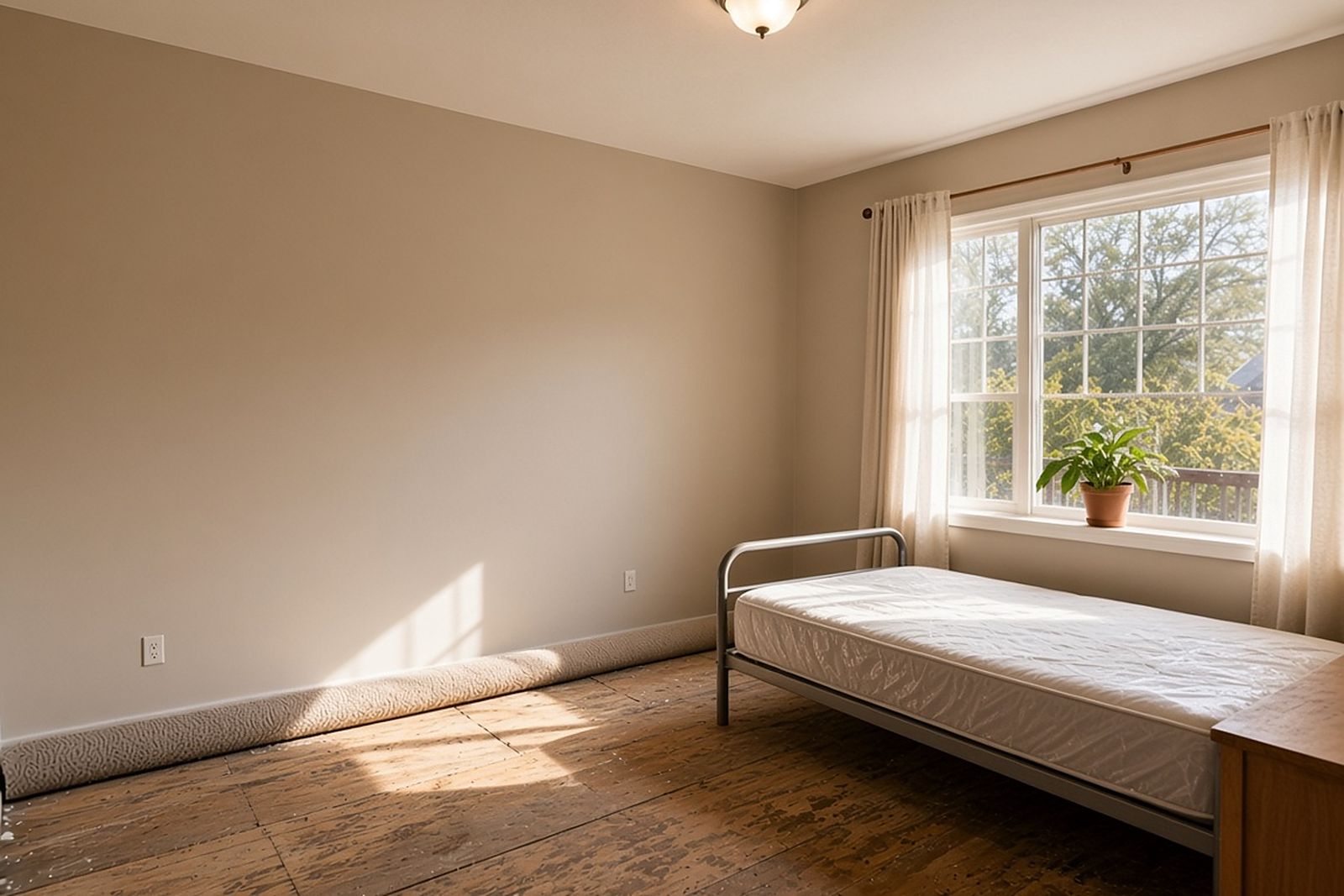
The main factor is how far the contamination reached. When the affected surfaces are hard and sealed, the work may stay fairly small. When fluids soaked into carpet, cloth furniture, a mattress, or soft walls, those must be removed, and the job grows. Fluids can also travel under baseboards or into a lower floor. A crew can only confirm this through careful checks and moisture readings.
Time and place matter too. If some time passed before the loss was found, the work may be more like cleanup after a death that went unnoticed. It may need odor treatment and deeper removal of materials. A car, garage, or outdoor building has different materials and access than a bedroom. Apartments and shared buildings may need extra planning with property managers and neighbors. Each of these details shapes how many hours and materials the job needs.
How does a typical estimate compare with national figures?
Broad cost guides can give a rough point of reference, though they are not specific to suicide loss. Fixr's January 2025 guide puts the national average for biohazard cleanup at about $4,000. That average covers many kinds of jobs, from small spills to large trauma scenes. So a smaller job may cost less. A scene that needs tear-out or odor treatment may cost more.
Instead of measuring your quote against an average, ask the provider to walk you through what drives its price. How many workers are planned, and for how long? Which materials will be removed, and why? Does the price include disposal, testing, and paperwork? A company that answers patiently and in plain words is showing you how it will likely treat your family through the whole process.
How can you read and compare an itemized estimate without feeling overwhelmed?
If reading an estimate feels like too much right now, that is completely okay. You can ask a trusted friend, relative, or advocate to review it with you or for you. A clear estimate lists the areas involved and the materials to be removed or cleaned. It names the products used. It shows separate charges for labor, barriers, disposal, and testing. It should also say what is not included, like rebuilding or cleaning belongings.
When you compare two estimates, look at what each one covers before you look at price. One company may plan to remove a section of subfloor. Another may assume surface cleaning is enough and then add work later. Ask each provider how it handles surprises. Ask how you will be asked to approve changes and what paperwork you'll get at the end. Choosing the provider whose plan you understand usually matters more than choosing the lowest number.
Which additional costs might appear later?
Some costs only show up once work begins. Removing flooring or trim may show that fluids spread farther than they seemed. Then more removal is needed. A caring provider will pause and show you or your helper photos. They will explain the added cost before going on. You should not be surprised by a bigger bill at the end without talking first. If anything changes, you deserve a clear explanation first.
Other costs fall outside the cleanup. Replacing flooring, drywall, or paint usually means a separate contractor. Belongings that were affected may need special cleaning, or may not be saved. If odor built up, air treatment or new air filters may follow. Some families also choose to stay somewhere else for a while, which adds lodging costs. Naming these possible costs early helps you plan without new shocks.
- More removal after flooring or baseboards are opened
- Repair trades for floors, walls, and paint
- Cleaning or replacing affected belongings
- Odor control or new air filters
- A temporary place to stay while the home is worked on
Who usually pays for suicide cleanup?
In a home the owner lives in, the owner or the estate of the person who died usually sets up and pays for the cleanup. They may seek to be paid back through a homeowners policy. If the home is rented, the landlord usually handles the building. Belongings are usually the family's or the estate's responsibility. When the loss happens at a workplace, the employer or property owner often arranges the work.
Families sometimes worry that they must pay everything right away. Many providers will talk about payment timing and work with insurers directly. Some will wait for claim decisions before sending the final bill. Ask about this openly before you sign anything. An estate lawyer or trusted adviser can also help sort out which costs belong to the estate. Rules vary by state and county; verify with the local authority or an attorney before you take on a certain cost.
What might the process look like for one family?
Imagine a family who loses a young adult in a bedroom of their home. After the release, an older sibling agrees to be the one contact, so the parents don't have to take every call. Two providers look at the room while the family waits somewhere else. One estimate covers removing the carpet and cleaning. The other adds a section of subfloor after readings show fluid reached it. It explains why in simple words.
The family picks the second provider. Before starting, the crew asks which belongings the family wants to keep. They set those aside for cleaning. During the work, they find a small area under the baseboard that must come out. They send the sibling a photo and a short note before going on. At the end, the family gets a summary, photos, and disposal records, which they share with their insurer. A flooring contractor does the repairs later.
Where can you find support while the work is being done?
The physical work has an end point, but grief does not follow a schedule. If you or someone in your family is struggling, you can call or text 988 to reach the 988 Suicide & Crisis Lifeline at any hour. Support groups for people who have lost someone to suicide meet in many communities and online. They can connect you with others who understand what you are carrying.
It can also help to share the practical load. A friend can collect estimates. A relative can gather paperwork. A provider can handle the room itself so you don't have to. Accepting help is not a sign of weakness. It gives you room to rest and to be with the people you love. It lets you make decisions when you are ready, not under pressure.
Estimate your range
Suicide Cleanup cost range estimator
Educational only. Real pricing needs an on-site assessment and a written scope. Insurance coverage is decided by your carrier, not by this tool.
Educational range: $3,000 – $5,000
Scaled from a published reference range (typical biohazard cleanup project, national) reported by Fixr (2025). Your region, provider and the actual findings on site can move the real number outside this range.
Cost level: Mid range.
None of the big cost multipliers are selected. Minimum service charges, travel and waste fees still apply.
Ask every quote to itemize labor, containment, product, waste disposal, verification sampling, and any rebuild, and to state what is excluded.
Open the full tool page for a worked example and more answers.
Costs questions about suicide cleanup
Do I have to see the room to get an estimate?
No. A professional provider can look at the area without you there, and many families prefer it that way. You may be asked to sign papers or approve a plan. You can do that away from the room or through a trusted helper. If you want to see photos, the provider can share them. But you should never feel pushed to look at anything you're not ready to see.
Why is suicide cleanup more expensive than regular cleaning?
The work involves germs that can be carried in blood. That calls for special protection, barriers, and disposal. Crews must remove materials that soaked up fluids and use disinfectants the way the label says. Then they check and record the results. Regulated waste has its own handling rules. These steps take more time and gear than normal cleaning, and the price reflects that. The goal is a safe home, not just a room that looks clean.
Can I ask a friend to handle the estimates for me?
Yes. Many families pick one trusted person to talk with providers, collect estimates, and pass along key questions. The person who owns the property or speaks for the estate may still need to sign the final agreement. But someone else can do much of the gathering and comparing. Tell providers who your contact person is. That keeps things clear and keeps you from being flooded with calls.
Will the company discard belongings without asking?
A caring provider should not. Before removing anything, they usually ask which items matter to you. They set aside belongings that might be cleaned and ask for written approval before throwing things out. Some things, like a mattress that soaked up fluids, may not be saved. But you deserve an explanation. If an item is important, mention it early so the crew can do everything reasonable to save it.
What if we cannot pay the full amount right away?
Talk openly with the provider before work starts. Many will discuss payment timing, work with your insurer, or wait for a claim decision before the final bill. You can also talk with your insurance company early. If the estate is involved, talk with the executor or a lawyer. There is no shame in asking these questions. A provider who pushes you to pay right away without talking it through is not the right fit.
Is it safe for our family to clean the area ourselves?
It is usually not advised. Blood and other fluids can carry germs. Household products often can't reach contamination below the surface. Doing this work yourself also takes an emotional toll and can deepen trauma. Professional providers have the protective gear and proper ways to dispose of waste. If cost is a worry, talk through options with providers and your insurer before you decide to do the work yourself.
Where can I turn if I am struggling emotionally?
You can call or text 988 to reach the 988 Suicide & Crisis Lifeline at any time. You can reach out whether you are in crisis or just need someone to talk to. Support groups for people who lost someone to suicide can help too. So can grief counselors, faith leaders, and your own doctor. Caring for yourself right now matters just as much as the practical choices in front of you.
What other visitors said
Every count is a real visitor vote; nothing is seeded or padded. One vote per poll per device, and you can change your answer.
If you were coordinating cleanup after a suicide loss, who would you want to make the first call to a provider?
How important is it to you that a cleanup crew arrives in unmarked vehicles and plain clothing?
More on suicide cleanup
Suicide Cleanup services
Learn what cleanup after a suicide loss involves. See how scene release, approval, disinfecting, belongings, and records all work to protect your family.
Insurance and payment
Which policies may respond, how to document a claim, and what to do if coverage is denied.
Planning tools
Six short, private tools help you plan the first day, check risk, vet a provider, estimate cost, sort out a claim, and understand waste.
Community polls
See how other families handled privacy, insurance, staying home, and picking a provider after a suicide loss. Add your own view without giving your name.
Knowledge quiz
Check what you know about hazards, who can approve work, sealing off the room, disinfecting, waste, and records. This gentle quiz is for families and helpers.
Articles and resources
Read longer articles on helping people who lost someone to suicide, working with landlords and executors, and what caring, trauma-aware cleanup should look like.
Field guides
Step-by-step guides walk you through approval, privacy requests, insurance questions, and when to go back in after a suicide in a home or rental.